Loading...


Insights
Practical tips, user stories, and financial strategies that help you track expenses, organize your finances, and make better spending decisions.
Loading...
We use cookies to analyze website traffic and improve your experience. You can accept or decline analytics cookies. Learn more
Insights
Practical tips, user stories, and financial strategies that help you track expenses, organize your finances, and make better spending decisions.

An annual financial reset is a structured, comprehensive review of your entire financial situation. Unlike monthly check-ins, which focus on short-term adjustments, an annual reset takes a wide-angle view. It assesses what worked, what didn’t, and how to realign finances for the coming year. This ritual is comparable to a health check-up—essential for long-term well-being and early detection of risks.
The reset begins with reviewing the year’s financial movements: income changes, spending patterns, debt repayment, savings growth, investment performance, insurance coverage, and major life events. This provides a factual baseline. Many households discover that their expenses have gradually shifted: subscriptions multiplied, daily costs rose, or irregular expenses consumed more than expected.
Next comes goal realignment. Life evolves—new jobs, relocations, children, education plans, or changes in health. Long-term goals must reflect these realities. Some goals may need to be updated, accelerated, or replaced. Others may require new savings strategies.
The annual reset is also the ideal time to optimize systems. Households can renegotiate bills, switch to better insurance plans, update beneficiary information, revise investment portfolios, or rebalance retirement contributions. These adjustments have compounding benefits over time.
A key part of the reset is stress-testing the budget. Families can simulate scenarios: “What if interest rates rise again?” “What if one person loses their job?” “What if a major expense occurs suddenly?” This helps determine whether insurance coverage and emergency funds are sufficient.
Finally, the reset provides an emotional and psychological refresh. It marks the end of one financial chapter and the beginning of another. Celebrating progress—no matter how small—builds motivation for the next cycle.
Households that perform an annual reset gain a powerful advantage: they remain in control even during periods of uncertainty. The process builds resilience, confidence, and clarity.
Sources:

Financial stability is built through ongoing awareness, simple habits, automation, clear goals, and confidence gained from small, consistent actions that gradually create security and freedom.
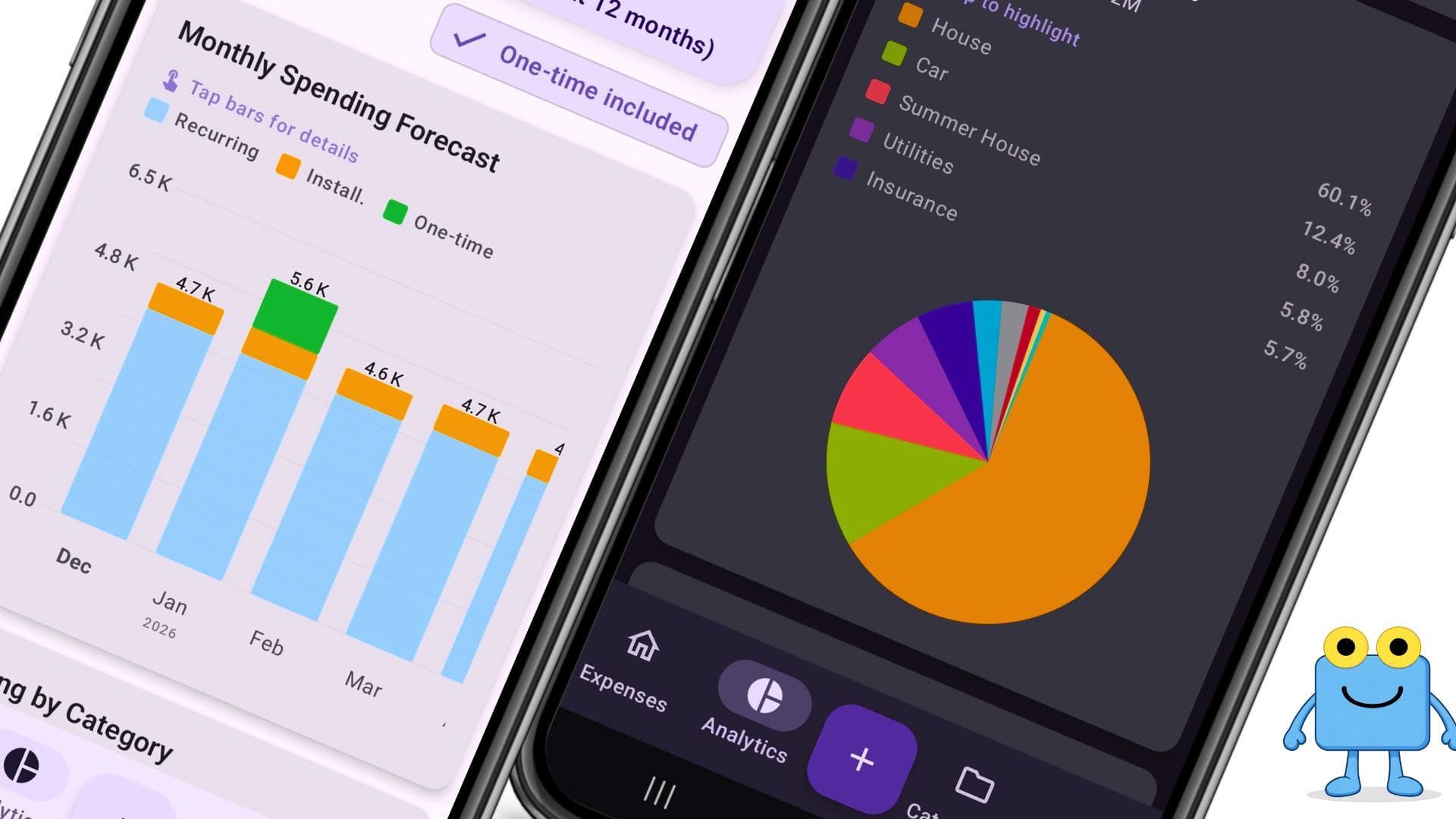
Monthly money check-ins are an essential habit for maintaining financial clarity, preventing overspending, and staying aligned with long-term goals.

Automating savings removes reliance on willpower and ensures consistent progress toward financial security by turning saving into a structured, habitual process.