Loading...


Insights
Practical tips, user stories, and financial strategies that help you track expenses, organize your finances, and make better spending decisions.
Loading...
We use cookies to analyze website traffic and improve your experience. You can accept or decline analytics cookies. Learn more
Insights
Practical tips, user stories, and financial strategies that help you track expenses, organize your finances, and make better spending decisions.

Stay tuned! A new article is on the way, packed with insights and practical tips. Automating bill payments is one of the most effective ways to create a smooth, low-stress financial system. In many households, late fees, missed payments, and forgotten renewals aren’t caused by insufficient funds—but by mental overload and poor timing. Automation eliminates this friction by ensuring bills are paid consistently, accurately, and on time, every month.
The first step is identifying which bills can be automated: rent or mortgage payments, utilities, insurance premiums, subscriptions, loan installments, mobile phone plans, and other recurring commitments. Most financial institutions and service providers offer automatic withdrawal options. Once set up, payments occur on a preset schedule, freeing households from remembering each due date.
The greatest benefit of automation is reliability. On-time payments build positive credit histories, reduce late fees, and prevent service disruptions. Over time, these small advantages accumulate into substantial financial stability. Automation also reduces cognitive load; instead of managing dozens of deadlines each month, households can focus on long-term goals and strategic planning.
However, automation requires preparation. A dedicated “bill account” or buffer is helpful. Many households keep one month of bill payments in this account to prevent overdrafts during irregular income periods. Regular monitoring remains necessary—automation simplifies payments but does not replace oversight. Reviewing statements once a month ensures that charges are accurate and allows families to catch subscription creep or price increases.
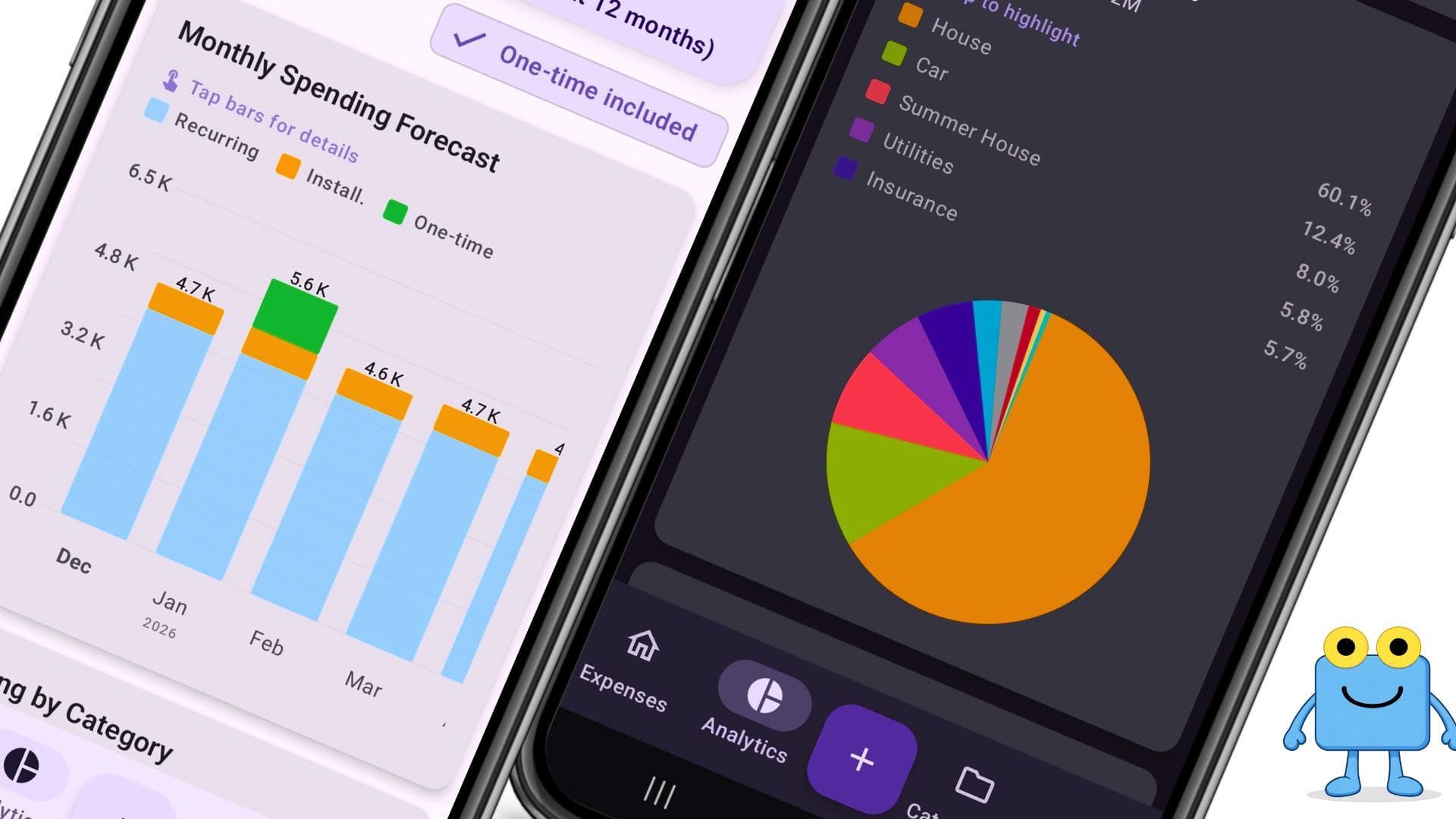
Technological advancements have made automation smarter. Some banking apps now categorize bills and notify users when amounts change. AI-driven platforms can even forecast upcoming charges based on historical patterns, helping households maintain adequate account balances.
For busy families juggling work, school, and childcare, bill automation is not just a financial strategy—it is a lifestyle upgrade. It protects against mistakes, saves time, and creates a structured foundation that supports the rest of the household budget.
Sources:

Financial stability is built through ongoing awareness, simple habits, automation, clear goals, and confidence gained from small, consistent actions that gradually create security and freedom.
Monthly money check-ins are an essential habit for maintaining financial clarity, preventing overspending, and staying aligned with long-term goals.

Automating savings removes reliance on willpower and ensures consistent progress toward financial security by turning saving into a structured, habitual process.