Loading...


Insights
Practical tips, user stories, and financial strategies that help you track expenses, organize your finances, and make better spending decisions.
Loading...
We use cookies to analyze website traffic and improve your experience. You can accept or decline analytics cookies. Learn more
Insights
Practical tips, user stories, and financial strategies that help you track expenses, organize your finances, and make better spending decisions.
Over the last decade, a new way of paying has quietly taken over online shopping: “buy now, pay later” (BNPL) and short-term consumer credit built directly into checkout flows. Instead of applying for a traditional loan at the bank, you can now split payments for clothes, electronics, furniture—or even groceries—with one click. Providers like Klarna, PayPal Credit, Affirm, Afterpay, and large retailers with their own financing programs have made installment plans feel effortless, almost invisible.
But effortless doesn’t mean risk-free. These services make purchases feel cheaper than they are—leading many households to overspend, accumulate silent debt, and lose track of multiple repayment schedules.
This article breaks down how BNPL financing works, how Klarna and PayPal Credit differ from store financing, and how to use these tools without falling into debt traps.
BNPL is a form of short-term consumer credit. It allows you to receive a product immediately and pay gradually in weekly, monthly, or even interest-free installments.
The promise is simple:
But the real business model is more complex. These companies earn money through:
BNPL lowers the psychological “pain of paying.” When you don’t feel the full cost upfront, you tend to:

Klarna is one of the biggest BNPL providers globally, known for its “Pay in 3” or “Pay in 30 days” options.

PayPal Credit functions more like a traditional revolving credit line, not a simple BNPL plan.
Because PayPal is so integrated into online shopping, approving credit feels like clicking “Continue.” Many users don’t realize they’re entering a revolving credit agreement with high interest.

Retailers like IKEA, Best Buy, Elkjøp, MediaMarkt, Currys, or local furniture stores offer their own financing—sometimes through a partner like Klarna, Santander, or Synchrony Bank.
Store financing often includes:
If you miss one payment, that “0% interest” sofa suddenly becomes a high-interest loan.
€20 here, €40 there—those numbers don’t feel dangerous. But combined over a month, they add up fast.
No long forms, no bank visits → instant approval.
0% interest sounds risk-free. But remember: one late payment ruins the deal.
It is designed to feel like part of the shopping process, not a financial decision.
You see “Only €18/month!” instead of the full €430 price.
Pros and Cons Summary
How to Use BNPL Safely
Final Thoughts
BNPL services like Klarna, PayPal Credit, and store financing can be helpful tools—but only if treated with the same seriousness as traditional loans. They make paying feel frictionless, psychological barriers disappear, and spending becomes almost too easy.
If you’re using BNPL for convenience, that’s fine.
If you’re using BNPL because you can’t afford the item today, that’s a warning sign.
The safest rule:
If you wouldn’t buy it at full price today, don’t buy it through installments tomorrow.

The article explains how banks calculate mortgage eligibility by analyzing income, debt levels, credit history, down payments, and living expenses to determine how much a borrower can safely afford.
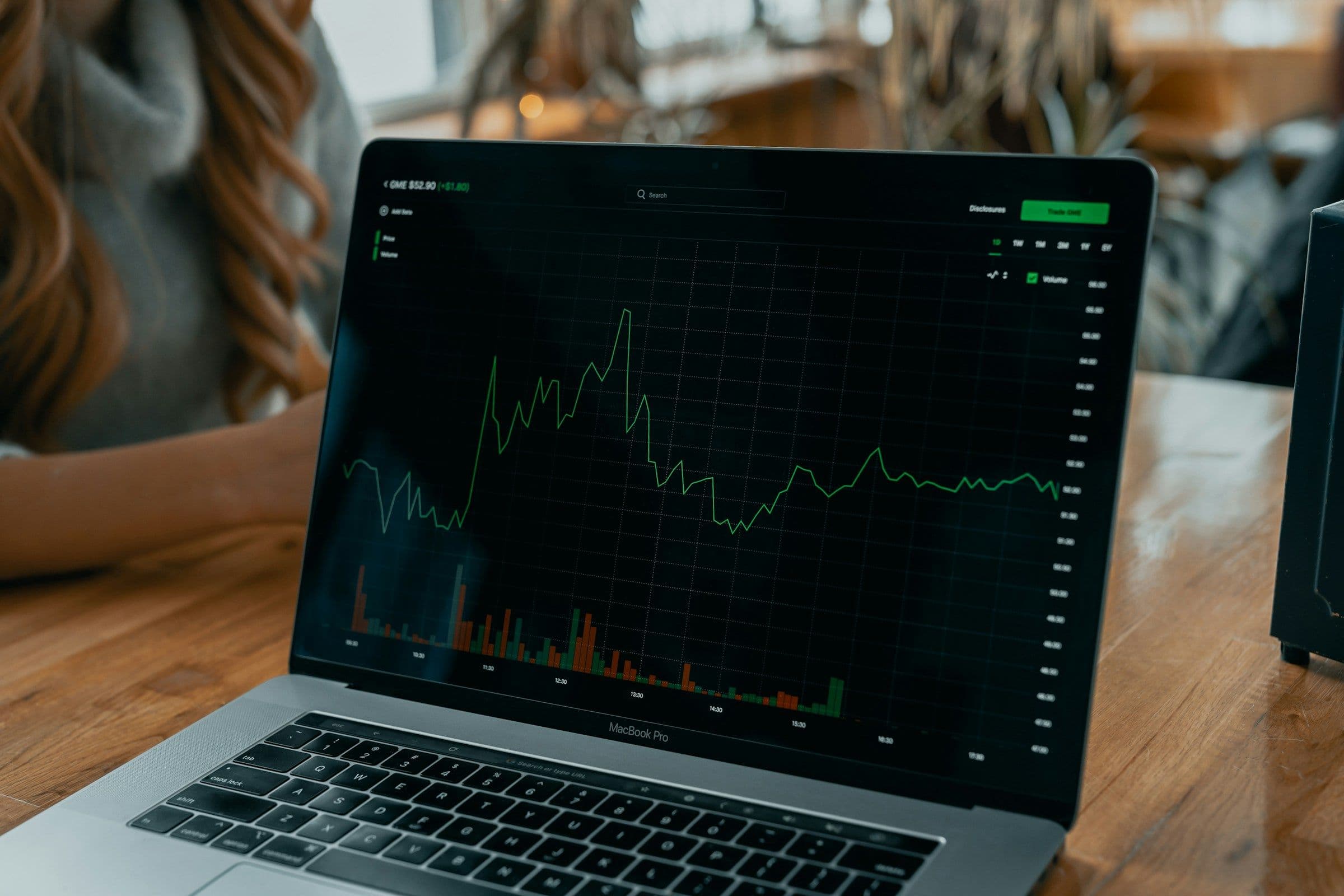
The article explains the differences between fixed, variable and hybrid interest rates, helping beginners understand how each type affects loan payments and financial planning.
What you pay each month is shaped not only by personal choices but also by global economic forces, and understanding them helps you make better financial decisions.