Loading...


Insights
Practical tips, user stories, and financial strategies that help you track expenses, organize your finances, and make better spending decisions.
Loading...
We use cookies to analyze website traffic and improve your experience. You can accept or decline analytics cookies. Learn more
Insights
Practical tips, user stories, and financial strategies that help you track expenses, organize your finances, and make better spending decisions.

At first glance, “27 subscriptions” sounds excessive. But when you look closely at how a modern household lives, works, studies, and relaxes, that number becomes not only realistic—but almost inevitable. This case study follows a family living in Houston, Texas, and shows how subscriptions quietly stack up across digital life, utilities, health, transport, and everyday convenience.

They are not particularly extravagant. They don’t consider themselves “heavy spenders.” Yet, when they finally list everything, the family discovers they are paying for 27 active subscriptions.
Entertainment is the most obvious category—and the one people usually underestimate.
Different ages, different tastes. Teens stream music constantly, the youngest watches kids’ content, parents prefer series or audiobooks. One service rarely replaces another.
Phones are essential—not optional. Extra cloud storage becomes necessary once photos, videos, and backups accumulate across multiple devices.
Work and education have moved online. Subscriptions replace what used to be one-time purchases (software, books, tutoring).
Busy schedules push families toward time-saving services. These subscriptions replace frequent store trips—not luxury spending.

Health subscriptions are increasingly digital. Apps supplement—or replace—traditional gym classes and therapy tools.
These are “peace of mind” subscriptions—rarely used, but difficult to cancel because of perceived risk.
When the family added everything up, they were surprised—not by any single subscription, but by how quietly they accumulated. Most cost between $5 and $25 per month. Few felt optional in isolation. Together, they formed a significant monthly expense.
Importantly, this family is not unusual:
This is how modern consumption works.
Having 27 subscriptions doesn’t mean overspending. It means living in a highly digitized world where value is delivered continuously instead of through one-time purchases.
The real risk isn’t the number of subscriptions—it’s not knowing you have them, not reviewing them, and not understanding which ones still bring value.
For this Houston family, the exercise wasn’t about canceling everything. It was about awareness, clarity, and conscious choice.
And that’s the difference between being controlled by subscriptions—and being in control of them.

This article explains why even people with good incomes lose control of their money today. It shows how stress, too many things to manage, and modern apps and systems make it easy to get confused and overspend.

This article breaks down how the dopamine reward loop shapes everyday decisions and why today’s fast, digital world makes us more vulnerable to impulse spending and borrowing.
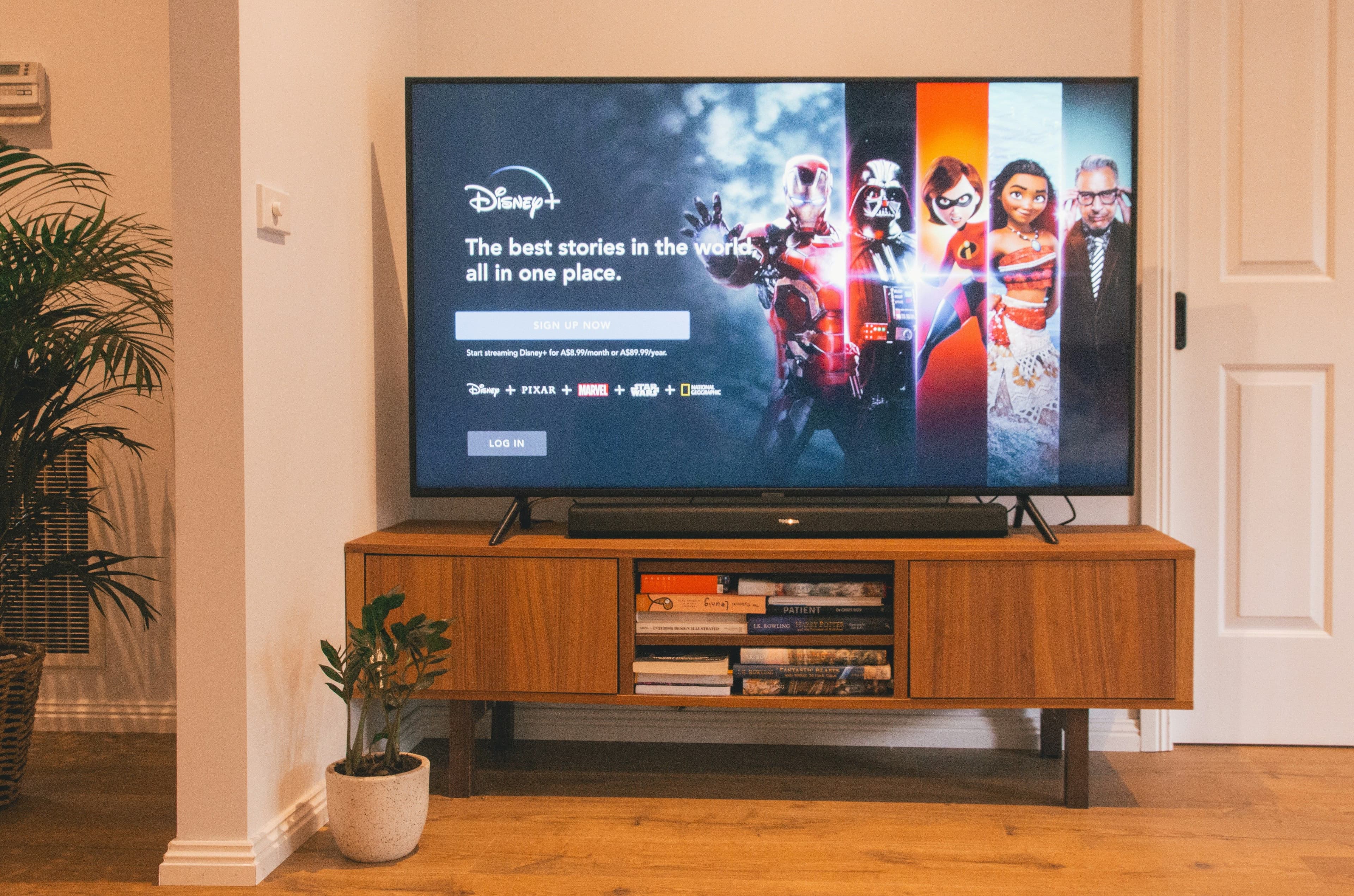
This article explains how subscription tracking apps are evolving and why the growing subscription economy is increasing demand for simple ways to manage recurring expenses.