Loading...


Insights
Practical tips, user stories, and financial strategies that help you track expenses, organize your finances, and make better spending decisions.
Loading...
We use cookies to analyze website traffic and improve your experience. You can accept or decline analytics cookies. Learn more
Insights
Practical tips, user stories, and financial strategies that help you track expenses, organize your finances, and make better spending decisions.
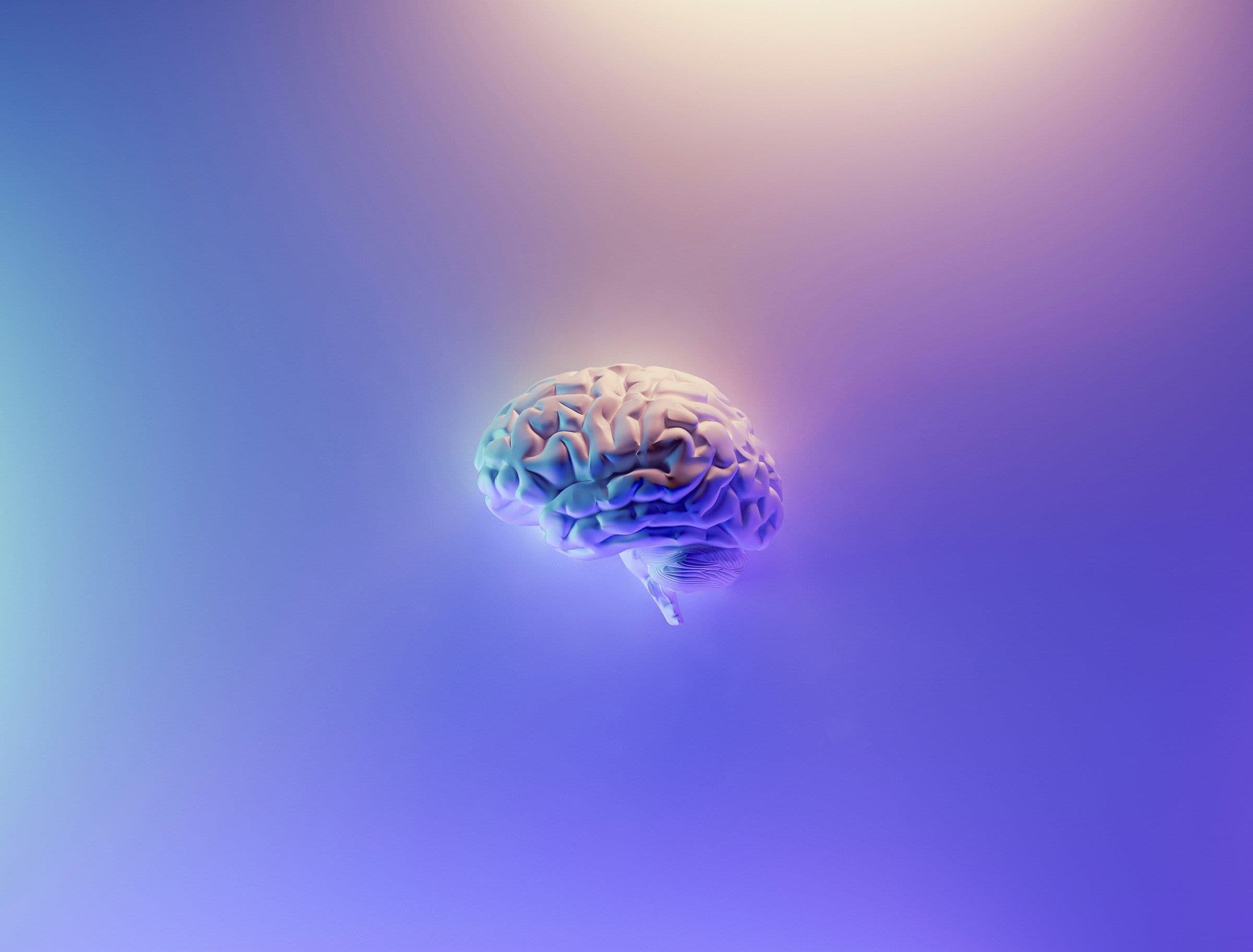
For a long time people thought we make decisions mostly using logic — like weighing pros and cons and choosing what makes the most sense. But modern research shows it’s not that simple. Our brains are constantly mixing logic with emotions, habits, expectations, and motivation.
A big part of this is dopamine — a brain chemical that helps decide what we pay attention to and what we repeat. You can think of it like a small signal in the brain saying, “this is worth it” or “do this again.”
The dopamine reward loop helps explain why we chase goals, build habits, and sometimes act on impulse — including when it comes to money. It doesn’t just influence what we do; it also shapes what we feel like doing. To really understand how it affects us today, it helps to look at how scientists discovered it and how our modern world constantly triggers it.
For a long time dopamine was called the “feel-good” chemical, like it was only responsible for happiness. But scientists now know it’s much more than that. Dopamine is less about pleasure and more about drive — it helps us get motivated and learn what’s worth doing again.
It plays many roles in the body. It pushes us to go after goals, helps the brain remember what works, draws our attention to important things, supports smooth movement, and influences how we weigh risks and rewards.
One key discovery is something called a reward prediction signal. In simple terms, dopamine goes up when something turns out better than we expected and drops when it’s worse. This is how the brain keeps learning and adjusting — and it’s a big reason why habits form, whether it’s studying more often or spending more often.
Understanding how this works didn’t happen overnight. It took decades of research, with each generation of scientists adding another piece to the puzzle of how motivation and decision-making really work.
Early experiments showed that animals would repeatedly activate certain brain regions linked to reward, revealing the existence of a biological motivation system. These findings challenged the idea that behavior was driven only by external reinforcement and suggested the brain itself generates motivation signals.
Researchers identified dopamine as a key chemical in these pathways. At the same time, cognitive science began demonstrating that human decisions are not purely rational but influenced by biases, emotions, and context.
With advances in brain imaging, scientists could observe reward circuits during real decision-making. This led to a new field connecting economics, psychology, and neuroscience, showing that value and motivation are encoded biologically.

Modern research focuses on how environments — especially digital ones — interact with dopamine to shape habits, attention, and financial behavior. Rather than asking only what people choose, scientists now also ask why the brain makes those choices feel compelling.
The dopamine reward loop is basically how your brain learns what to do again. It starts with a trigger — something that catches your attention, like an ad, a thought, or even just feeling bored. Your brain then builds a bit of excitement and motivation, pushing you to act.
Then comes the action — maybe you click, buy something, or check your phone. After that, you get a small reward, like feeling good, relieved, or satisfied. Your brain remembers this and connects the trigger with the action, making it more likely you’ll repeat it next time.
This system originally helped humans survive by reinforcing useful behaviors. But in today’s world, where quick rewards are everywhere, it can also make us more drawn to instant gratification.
When people hear the word dopamine, they often think of pleasure — a quick burst of happiness or excitement. But modern neuroscience paints a much richer picture. Dopamine is less about feeling good and more about driving behavior, helping the brain figure out what is worth pursuing and repeating.
One of the most surprising discoveries is that dopamine responds more strongly to surprises than to rewards themselves. When something turns out better than expected, dopamine activity increases, reinforcing the behavior that led to the outcome. Over time, as the brain learns that a reward is predictable, this response shifts. Instead of reacting to the reward, dopamine spikes earlier — when the cue appears.
At its core, the dopamine system works like a prediction machine. It is constantly comparing expectations with reality, updating internal models of the world. This process happens automatically and efficiently, allowing us to learn from experience without deliberate analysis.
Another key insight is the distinction between wanting and liking. Dopamine is primarily involved in the motivation to pursue something, while the actual feeling of pleasure is mediated by other systems. This explains why we can crave something intensely yet feel only moderate satisfaction once we get it.
Dopamine also plays an important role in deciding whether a reward is worth the effort required to obtain it. When dopamine activity is higher, people are more willing to invest time and energy. This mechanism helps prioritize actions and sustain long-term motivation.
To see how context matters, imagine a 25-year-old woman starting her career at an insurance company — once in the 1980s and once today. Her personality, intelligence, and ambitions may be similar, but her environment is dramatically different.

Her daily life would include limited advertising exposure, physical banking, fewer consumption choices, and social comparison mainly within local circles.
Cues were less frequent and less personalized. Spending decisions required more time and effort, creating natural pauses that allowed reflection. Rewards still existed — buying clothes, social outings — but they were episodic rather than constant.
The slower pace allowed more involvement of reflective decision-making systems, helping balance impulsive urges.

A 25-year-old employee now experiences continuous smartphone notifications, personalized ads, one-click payments, social media comparison, and instant access to credit.
Cues are constant and algorithmically optimized. Anticipation spikes happen many times per day — scrolling, shopping, checking messages. Rewards are immediate and frequent, reinforcing habits more strongly. Financial decisions often occur in emotionally charged or distracted states.

From a neurobehavioral perspective, the modern worker is generally at higher risk, not because individuals are less disciplined, but because the environment is more stimulating and frictionless.
Higher cue frequency creates more opportunities for impulsive decisions. Reduced decision friction removes the pauses that once encouraged reflection. Stronger social comparison increases perceived spending needs. Easier access to credit aligns with the brain’s preference for immediate rewards. Variable incentives like sales and notifications reinforce behavior patterns similar to other habit-forming systems.
The story of dopamine is also the story of how science reshaped our understanding of human behavior. From early discoveries of reward pathways to modern neuroeconomics, research shows that decisions — including financial ones — are deeply intertwined with biological motivation systems.
Comparing life in the 1980s with today highlights a key insight: the dopamine reward loop has not changed, but the environment activating it has intensified dramatically.
As a result, the modern young professional faces a landscape filled with more cues, faster rewards, and easier access to credit — conditions that can increase the risk of excessive borrowing.
Understanding this dynamic is empowering rather than pessimistic. It reminds us that better financial outcomes often come not from stronger willpower, but from designing environments and habits that work with — rather than against — how the brain naturally learns and seeks reward.
References

This article explains why even people with good incomes lose control of their money today. It shows how stress, too many things to manage, and modern apps and systems make it easy to get confused and overspend.
This article explains how subscription tracking apps are evolving and why the growing subscription economy is increasing demand for simple ways to manage recurring expenses.
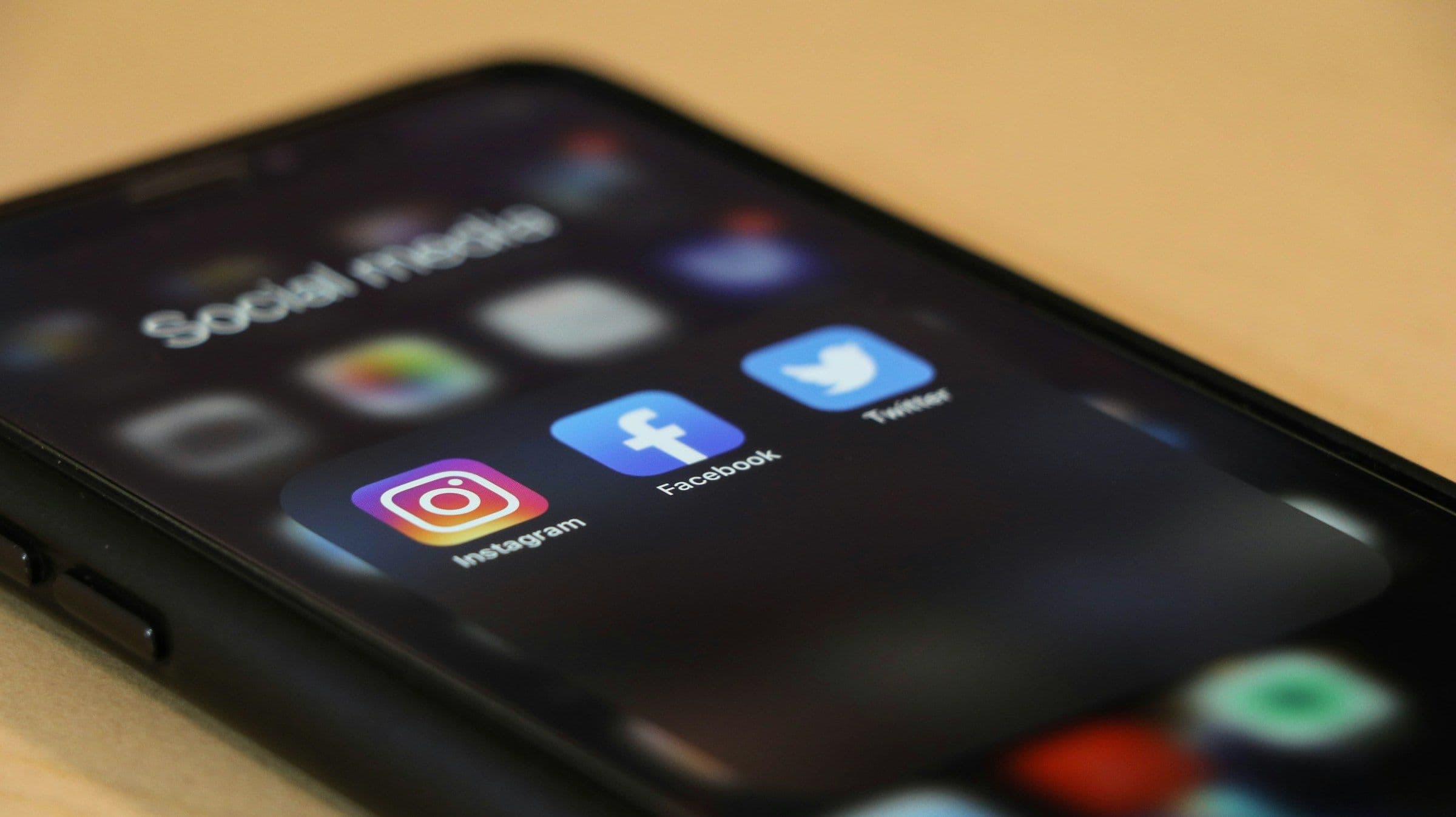
Social media shapes what we see and buy. Most of it happens without us noticing.