Loading...


Insights
Practical tips, user stories, and financial strategies that help you track expenses, organize your finances, and make better spending decisions.
Loading...
We use cookies to analyze website traffic and improve your experience. You can accept or decline analytics cookies. Learn more
Insights
Practical tips, user stories, and financial strategies that help you track expenses, organize your finances, and make better spending decisions.
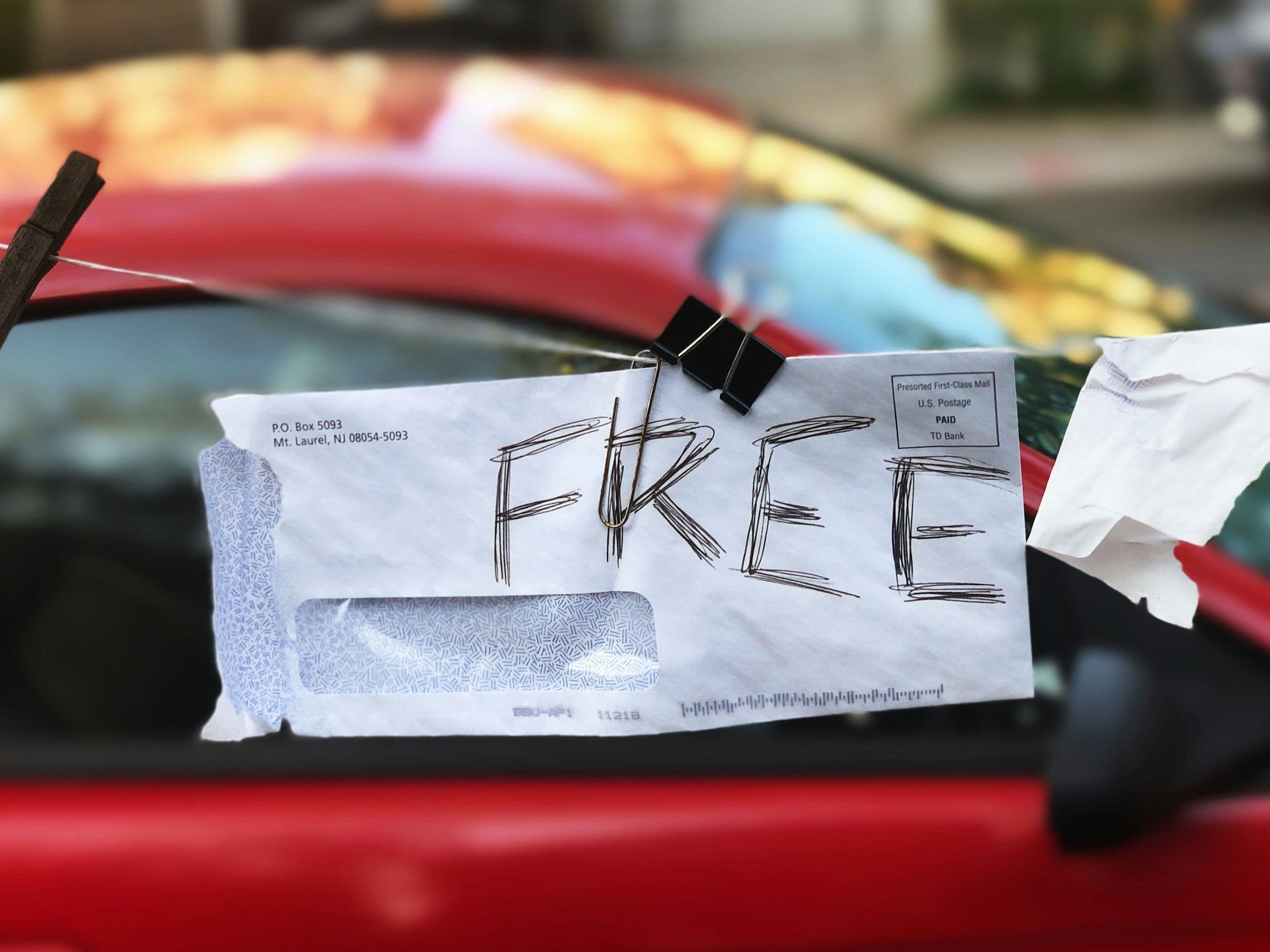
We enjoy buying small things — a coffee upgrade, an in-app bonus, an extra feature for just one dollar — because they feel harmless and easy to justify. These tiny purchases rarely trigger guilt or careful thinking, yet over time they quietly reshape our spending habits.
At the same time, we love anything labeled “free.” Free trials, free samples, free delivery. Even when we know a payment will come later, our brain reacts as if we have gained something without risk.
But what actually happens in our mind when we accept something for free or pay in tiny amounts? Why do these decisions feel so different from normal purchases — even when the total cost is the same?
To understand this, we must look at how our brain reacts to price, ownership, and loss.
Dan Ariely, a professor at Duke University, is known for studying why people make irrational choices about money. In Predictably Irrational, he shows that “free” is not a number — it is a psychological trigger (Ariely, 2008).
In one of his famous experiments, participants could choose between two chocolates:
When both had prices, most people chose the better chocolate. But when the cheaper one became free, the majority switched — even though the quality difference did not change.
Ariely concluded that free removes responsibility. The brain stops comparing value and starts reacting emotionally. Free feels safe. Free feels like a win. Free feels impossible to regret.
This is why free trials are so powerful. They do not invite analysis — they invite acceptance.
Daniel Kahneman, Nobel Prize–winning psychologist, explains this effect through two thinking systems (Kahneman, 2011).
Free trials activate System 1. There is no calculation of long-term cost. No careful comparison. The brain simply says: Why not?
Once the trial starts, another bias appears: loss aversion. Kahneman and Amos Tversky showed that losses feel about twice as painful as gains feel pleasant.
So when a free trial ends, cancelling does not feel neutral. It feels like losing something we already own. Even if we never paid for it, the product has entered our psychological reference point.
This is why people keep subscriptions they barely use. They are not paying for the service — they are avoiding the feeling of loss.
Richard Thaler, another Nobel laureate, introduced the idea of mental accounting (Thaler, 1999).
People do not treat all money equally. We divide it into invisible mental categories: rent, food, savings, entertainment, small treats.
Micro-payments fall into the “small treats” account. Because each payment is tiny, it feels unimportant. We rarely review it. We rarely question it.
But ten payments of one dollar do not feel like ten dollars. They feel like ten separate harmless decisions.
This is why micro-payments grow silently. They bypass the same mental control that a single large payment would immediately trigger.
George Loewenstein explains this through the pain of paying (Loewenstein, Prelec & Weber, 1999).
Paying a large amount once creates strong emotional discomfort. Paying many small amounts spreads that discomfort across time. The emotional signal becomes weaker — almost invisible.
Loewenstein also shows that when payments are linked to pleasure, anticipation becomes stronger than rational evaluation. This is why micro-payments combined with variable rewards — such as loot boxes, spins, or random bonuses — feel exciting rather than costly.
The brain focuses on the reward, not the payment.
Free trials and micro-payments succeed not because people are careless, but because human decision-making is predictably emotional.
Together, these mechanisms transform small choices into long-term habits.
Understanding these effects does not mean we must stop using free trials or micro-payments. It means we stop treating them as harmless by default.
When we recognize that:
we regain the ability to make conscious decisions instead of automatic ones.
The most expensive purchases are often not the large ones we carefully consider — but the small ones we never question.
Ariely, D. (2008) Predictably Irrational: The Hidden Forces That Shape Our Decisions. New York: HarperCollins.
Kahneman, D. (2011) Thinking, Fast and Slow. New York: Farrar, Straus and Giroux.
Thaler, R.H. (1999) ‘Mental accounting matters’, Journal of Behavioral Decision Making, 12(3), pp. 183–206.
Loewenstein, G., Prelec, D. and Weber, R. (1999) ‘What, me worry? A psychological perspective on economic aspects of consumption’, Economic Journal, 109(453), pp. 111–123.
This article explains why even people with good incomes lose control of their money today. It shows how stress, too many things to manage, and modern apps and systems make it easy to get confused and overspend.
This article breaks down how the dopamine reward loop shapes everyday decisions and why today’s fast, digital world makes us more vulnerable to impulse spending and borrowing.
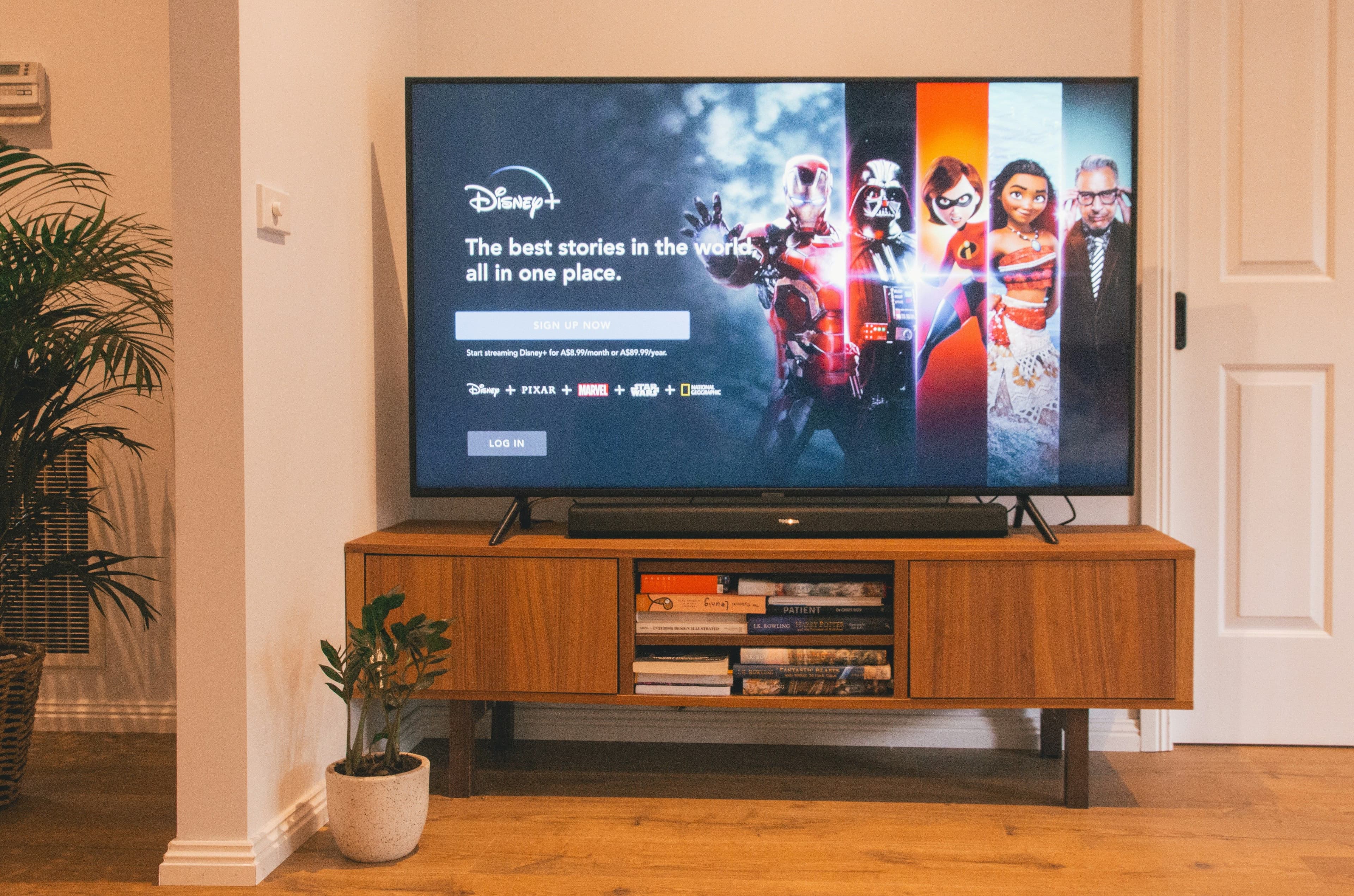
This article explains how subscription tracking apps are evolving and why the growing subscription economy is increasing demand for simple ways to manage recurring expenses.