Loading...


Insights
Practical tips, user stories, and financial strategies that help you track expenses, organize your finances, and make better spending decisions.
Loading...
We use cookies to analyze website traffic and improve your experience. You can accept or decline analytics cookies. Learn more
Insights
Practical tips, user stories, and financial strategies that help you track expenses, organize your finances, and make better spending decisions.

Many people wonder: Why do we lose track of our money? Is it just because we’re not disciplined enough? Do we make too little money? Do we spend too much? Should we just budget better? And what does it even mean to “budget better”?
Many people don’t know the answer, but research shows that it isn’t simple. People often lose control of their money because transactions today are hard to follow. So it’s not always your fault. Sometimes, the way money systems and apps are designed actually makes it harder to stay in control.
To understand how this works in real life, let’s look at two common situations: a middle-class family and an upper-middle-class family. Let’s imagine both live in Houston.
A middle-class family in Houston might earn between $70,000 and $120,000 per year. Jobs could include teacher, administrative professional, technician, nurse, or skilled trade worker. Their income usually covers housing, transportation, and everyday expenses. They live comfortably, but they still need to plan carefully for savings and unexpected costs.

Now imagine an upper-middle-class family earning around $150,000 to $250,000 or more per year. They might work as engineers, senior nurse practitioners, IT specialists, project managers, accountants, or mid-level managers. They typically have more room for savings, travel, and investments. However, their finances are often more complex. They may have multiple bank accounts, investment portfolios, mortgages, insurance policies, and higher lifestyle spending. So even though they earn more, managing their money can actually feel more complicated.
Does that make sense?
OK, now that we’ve looked at both families, let’s see what might happen when money problems show up.
Research shows that people often avoid looking at their money when things get worse—like when their balance goes down or debt goes up. This is called the “ostrich effect,” meaning we hide from problems instead of facing them.
For a middle-class family, this means that during stressful months, they pay less attention to their finances. Instead of checking budgets or tracking spending, they avoid it because it feels uncomfortable to see negative numbers.

Studies show that money stress makes it harder to think clearly. When you’re worried about paying bills, your brain is already “full,” so it’s harder to plan, stay organized, and keep track of your money. Managing money takes focus—but most of that focus is used up by everyday life. So losing track isn’t because you don’t care. It’s because your brain is overloaded. When you’re just trying to get through the month, thinking about the long term becomes much harder. If checking your finances feels stressful, people tend to avoid it. This is even stronger for households with tight budgets, because they expect to see bad or uncertain numbers.
Now think about a household that earns more money. Their problem is usually not a lack of money—it’s that things are more complicated. They might have many accounts, investments, subscriptions, and credit cards. This makes it harder to keep track of everything, because their attention is spread across too many places.
Recent research shows that when payments are too easy, people notice them less. Things like subscriptions, online shopping, and using different payment methods make spending feel less “real.” For higher-income households, the problem is not usually stress—it’s having too many transactions. If they don’t actively check their finances, it’s easy to underestimate how much they spend or lose track of their overall money flow.
While middle-class families may avoid finances due to stress, higher-income households often disengage because the information is overwhelming. The brain simplifies by focusing on broad impressions — such as “we’re doing fine” — instead of detailed tracking. This creates a different form of ostrich effect: not avoiding bad news, but avoiding complexity.
Research also shows that people who earn more money often feel safer financially. Because of this, they may not feel the need to check their finances as often. This confidence isn’t wrong—but it can be risky. It can lead to noticing overspending too late or making poor financial decisions without realizing it.

Even though our two example families earn different amounts, research shows they are often affected by the same basic patterns:
The difference lies mainly in why disengagement happens — stress in one case, complexity in the other.
Because between 2020 and 2025, several trends made these problems even stronger:

All of this creates more stress and makes it easier to lose track of our money. Today’s financial life needs more attention than ever, but our brains haven’t changed.
When things get too complex for us to handle, we start to disconnect—and that’s when we lose track.
One of the most important ideas in recent research is a change in thinking. Instead of asking, “Why don’t people manage their money better?” we now ask, “How do financial systems influence how people behave?”
For a long time, money problems were blamed on lack of discipline or knowledge. That still matters—but research now shows the situation and systems around us matter just as much. How easy it is to pay, how information is shown, and how often we make decisions all affect our behavior. The focus is now changing: instead of expecting people to always do better, we should design systems that make good money habits easier and simpler.
Research shows that how information is shown really matters. When finances are simple, clear, and easy to see, people pay more attention. But when everything is spread across apps and accounts, it gets confusing—and people start to ignore it. Good design can help both types of families:
The goal isn’t to change people—it’s to make systems that are easier for people to use.
Because of this research, many finance apps now try to help—like budgeting tools, auto-savings, and notifications. But technology alone isn’t enough. Tools work best when they are simple, give clear feedback, and don’t need too much effort. If they are complicated or require constant input, people are more likely to stop using them instead of staying on track.
Financial awareness isn’t a one-time decision—it’s a habit. Just like exercise, it gets easier the more you do it. Checking your money regularly, even in small ways, works better than doing big, stressful reviews once in a while. Over time, it feels easier and you feel more in control—and less afraid to look at your finances.
Behavioral economics is more important than ever because digital tools strongly influence how we spend and save. One-click payments, subscriptions, and instant credit make things easy—but also more impulsive. People need to understand not just budgeting, but also how emotions, habits, and pressure affect their choices. Knowing this can help avoid costly mistakes. That’s why this kind of practical money knowledge should be taught in schools, so kids are better prepared for real life.

Losing control of money isn’t just about being careless. It’s about how our brains react to today’s fast and complicated financial world. Apps, subscriptions, loans, and digital payments make things fast—but also harder to fully see and understand. When money feels stressful or overwhelming, people often avoid checking it. So it’s not just about discipline or willpower. It’s about building tools and systems that match how people think—and make money easier to understand and manage.
Sources:

This article breaks down how the dopamine reward loop shapes everyday decisions and why today’s fast, digital world makes us more vulnerable to impulse spending and borrowing.
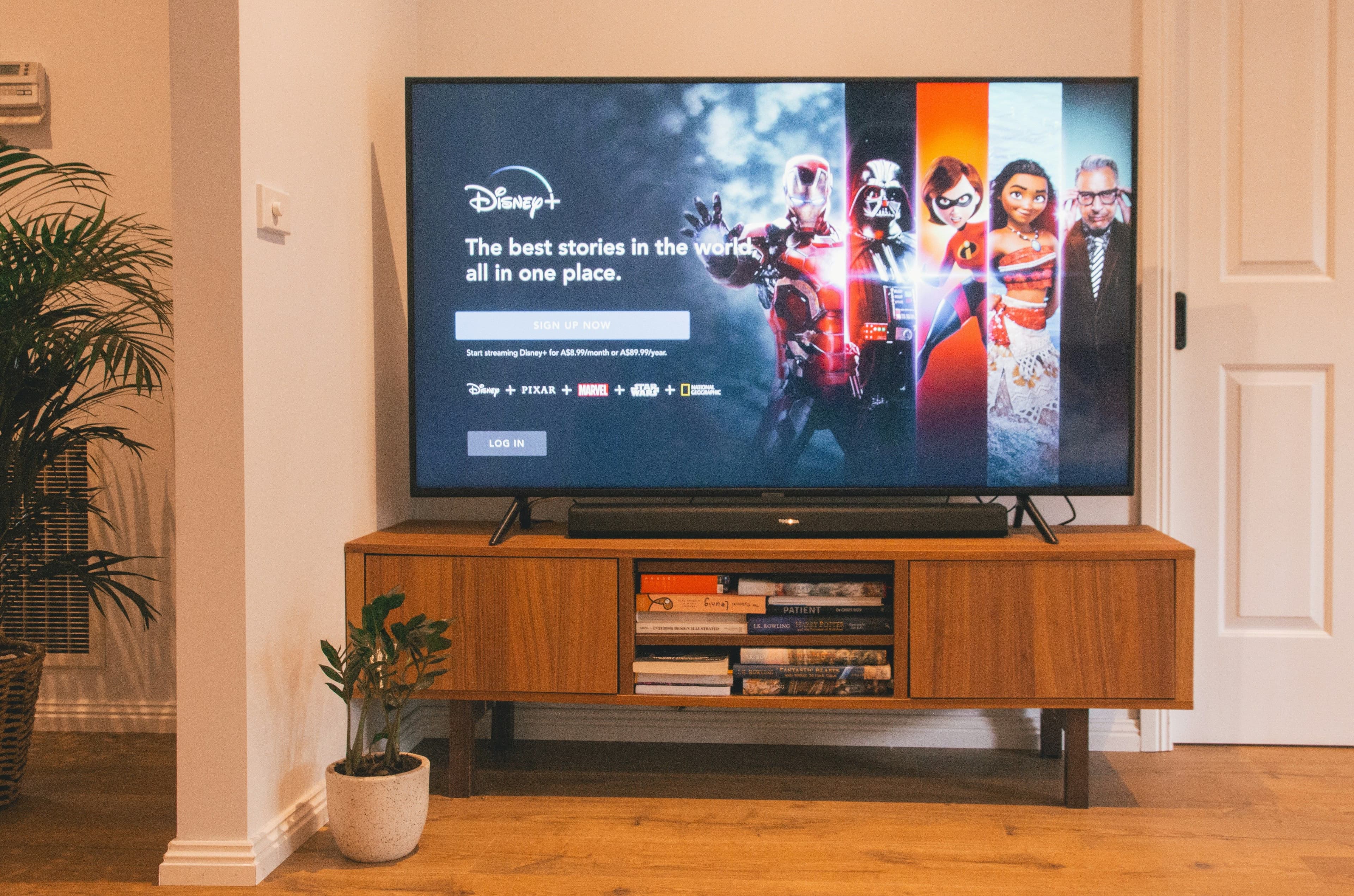
This article explains how subscription tracking apps are evolving and why the growing subscription economy is increasing demand for simple ways to manage recurring expenses.
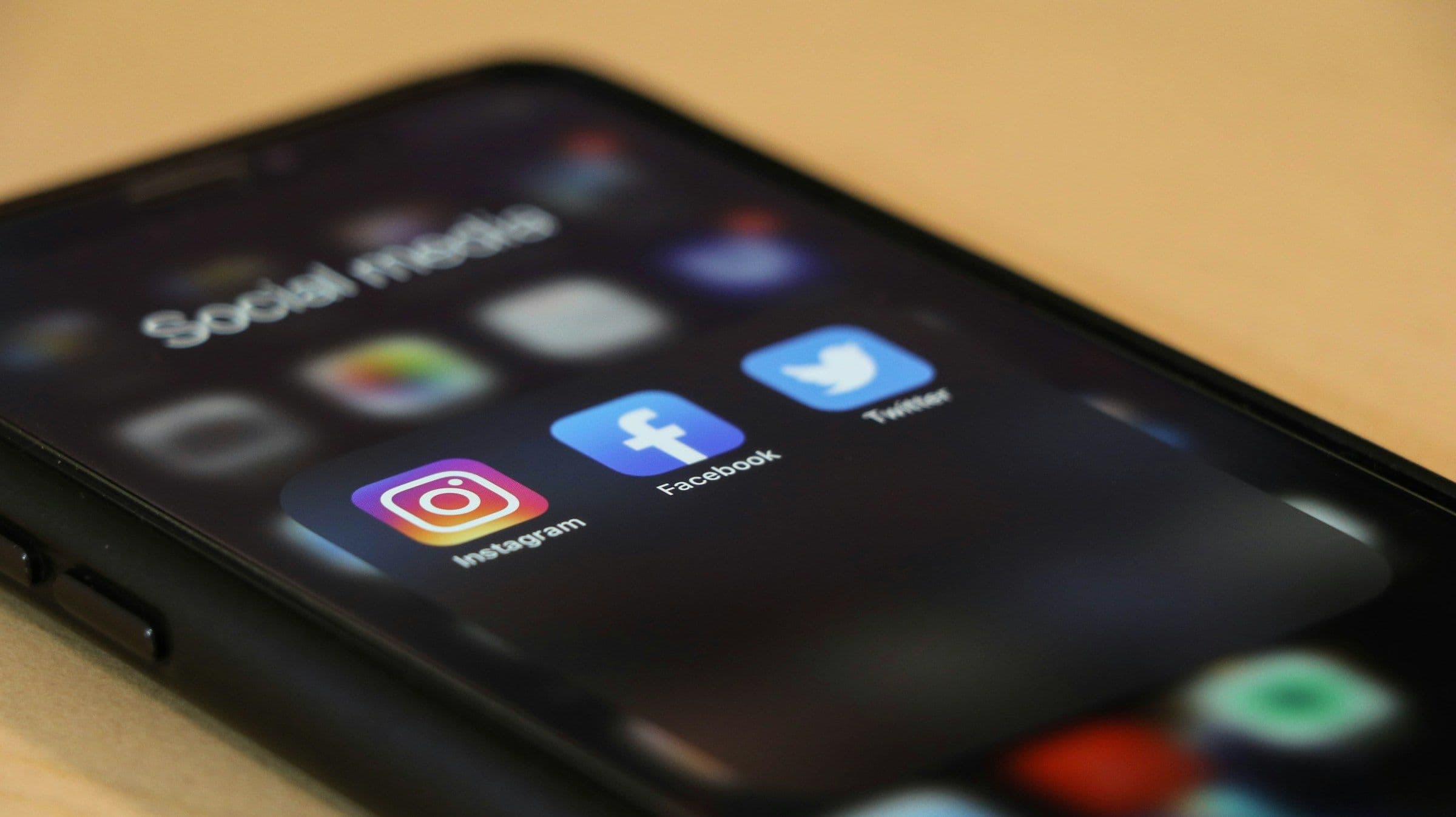
Social media shapes what we see and buy. Most of it happens without us noticing.