Loading...


Insights
Practical tips, user stories, and financial strategies that help you track expenses, organize your finances, and make better spending decisions.
Loading...
We use cookies to analyze website traffic and improve your experience. You can accept or decline analytics cookies. Learn more
Insights
Practical tips, user stories, and financial strategies that help you track expenses, organize your finances, and make better spending decisions.
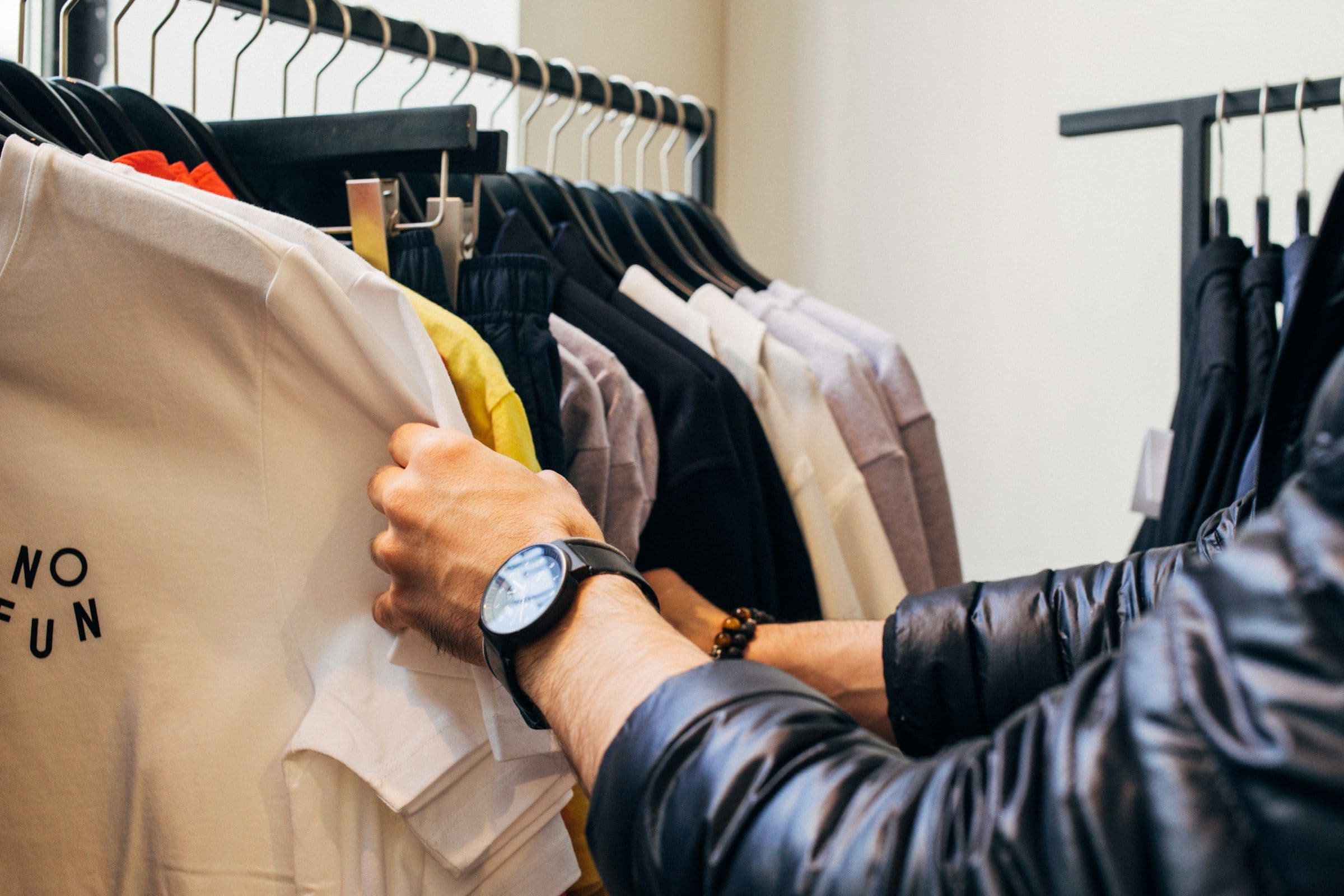
Most of us have had that moment: you come home with a bag from the mall or a new “must-have” gadget from an online sale and think, “Why did I even buy this?” You weren’t cold, but you bought another hoodie. You weren’t bored, but you signed up for yet another streaming service.
This isn’t just “bad self-control.” A lot of it is psychology—deliberately used by marketers and supercharged by technology.
Studies on the psychology of spending consistently show that emotions and social cues drive a huge share of our non-essential purchases. A 2021 review in the International Journal of Advanced Trends in Engineering and Technology found that non-essential spending is strongly linked to emotional states (stress, boredom, happiness) and environmental triggers like ads and social media.
Another 2024 study argues that overspending isn’t just “poor money management” — it’s rooted in how we regulate emotions and shape identity through what we buy. Other survey found that 51% of consumers make more unplanned purchases when they feel happier, showing a direct link between mood and impulse buying.
In other words:
Either way, the card gets swiped.
Recent research on e-commerce shows how digital design intensifies psychological triggers:
Add in FOMO (Fear of Missing Out) and you get a perfect storm. Some estimates suggest that the scarcity/FOMO effect drives a majority of purchasing decisions, because we’re more afraid of losing a deal than keeping money in our account.

Here are some of the key psychological mechanisms behind buying “stuff we don’t need.”
The “Diderot Effect,” popularized by James Clear, describes how one new purchase creates a chain of additional purchases.
Example:
You buy a new sofa → now the coffee table looks worn → then you “need” matching cushions → then a rug… and suddenly your living room becomes a renovation project.
Philosopher Denis Diderot originally described this after receiving a luxurious new robe — the robe didn’t change his needs, it changed his standards.

Psychology research shows that much unnecessary consumption is tied to identity, aspiration, and status. We buy to feel successful, modern, young, or part of a group.
Consumer culture gives us a simple language:
Show me what you own and I’ll tell you who you are.
Several cognitive biases quietly push us into overspending:
Put together, these biases explain why rational you says, “I should save,” but emotional you says, “Come on, it’s 30% off.”
Shows where people break down their finances in public are like an X-ray of our spending habits. They’re dramatic, but the patterns are real.
This British show demonstrates how families overspend on brands when cheaper alternatives are nearly identical. Participants often blind-test products (food, household goods, cosmetics) and fail to tell the difference between premium and budget items.
Psychological message:

Canadian shows hosted by Gail Vaz-Oxlade follow people living “aspirational” lifestyles on credit: constant dining out, clothes, travel, cars, gadgets.
The host makes them:
The emotional journey is almost always the same:
These shows highlight a key truth:
Most financial damage comes from many small emotional purchases — not one big mistake.
If you want to explore the topic further, here are strong recommendations:
Together, these books show the same pattern:
We’re not irrational because we’re dumb — we’re irrational because our brains prioritize emotions, belonging, and short-term comfort over perfect logic.
Knowing the psychology won’t turn you into a robot, but it does give you tools.
Once a month:

Instead of relying on willpower:
This approach mirrors the envelope system used on Til Debt Do Us Part, shifting people from emotional buying to intentional buying.
Choose an episode of Shop Well for Less?, or Til Debt Do Us Part and ask:
“Where am I doing something similar? Which category would shock me on a giant spending board?”
Sometimes a tiny moment of discomfort is the nudge we need.
We don’t buy things we don’t need because we’re weak. We buy them because:
The good news? Once you understand the psychology, those tricks lose their power. You notice the “last chance!” banner, the influencer promoting the product they “can’t live without,” the seventh subscription… and you pause long enough to ask:
“Do I really need this, or does it just feel good right now?”
Sources:
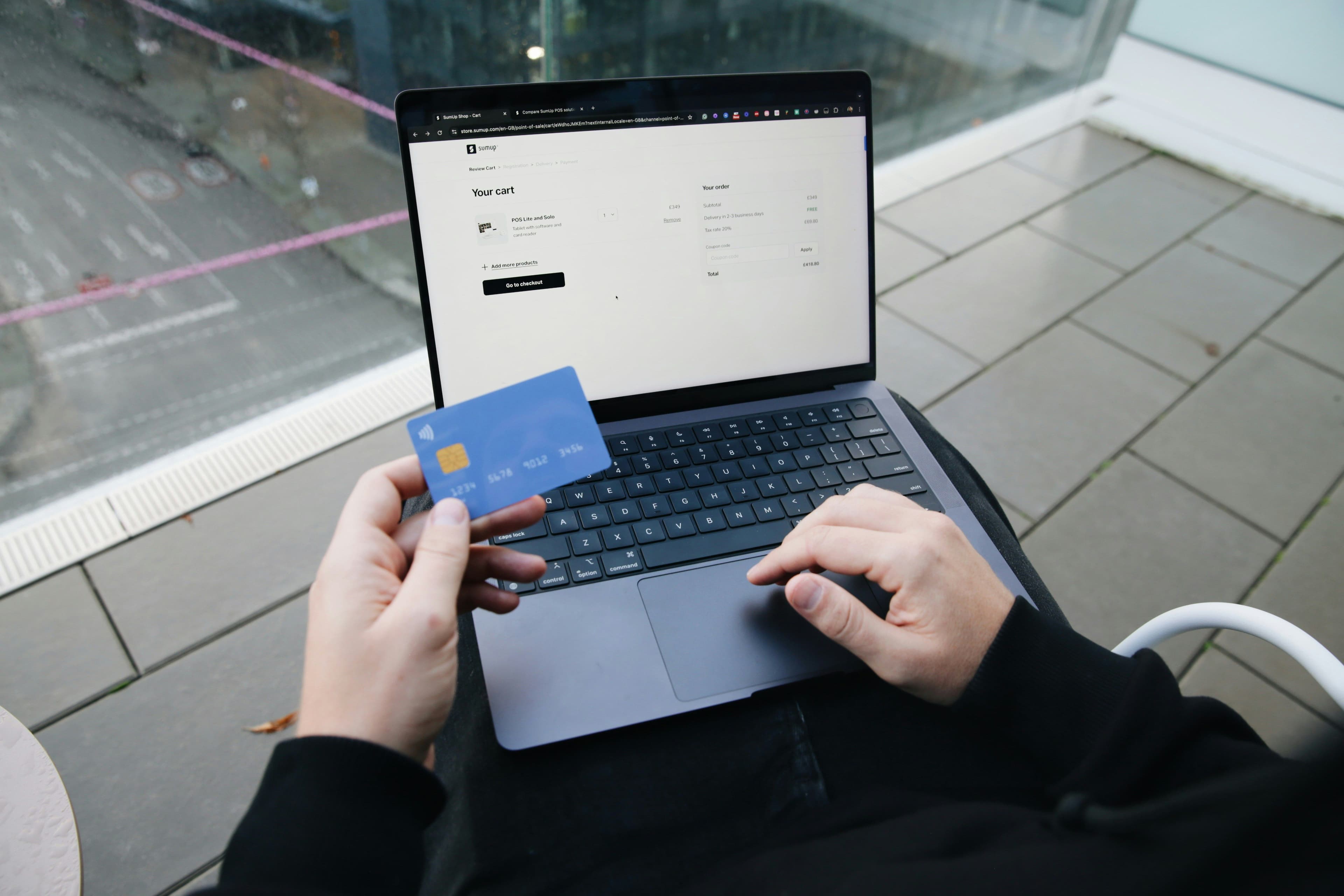
This article explains why even people with good incomes lose control of their money today. It shows how stress, too many things to manage, and modern apps and systems make it easy to get confused and overspend.

This article breaks down how the dopamine reward loop shapes everyday decisions and why today’s fast, digital world makes us more vulnerable to impulse spending and borrowing.
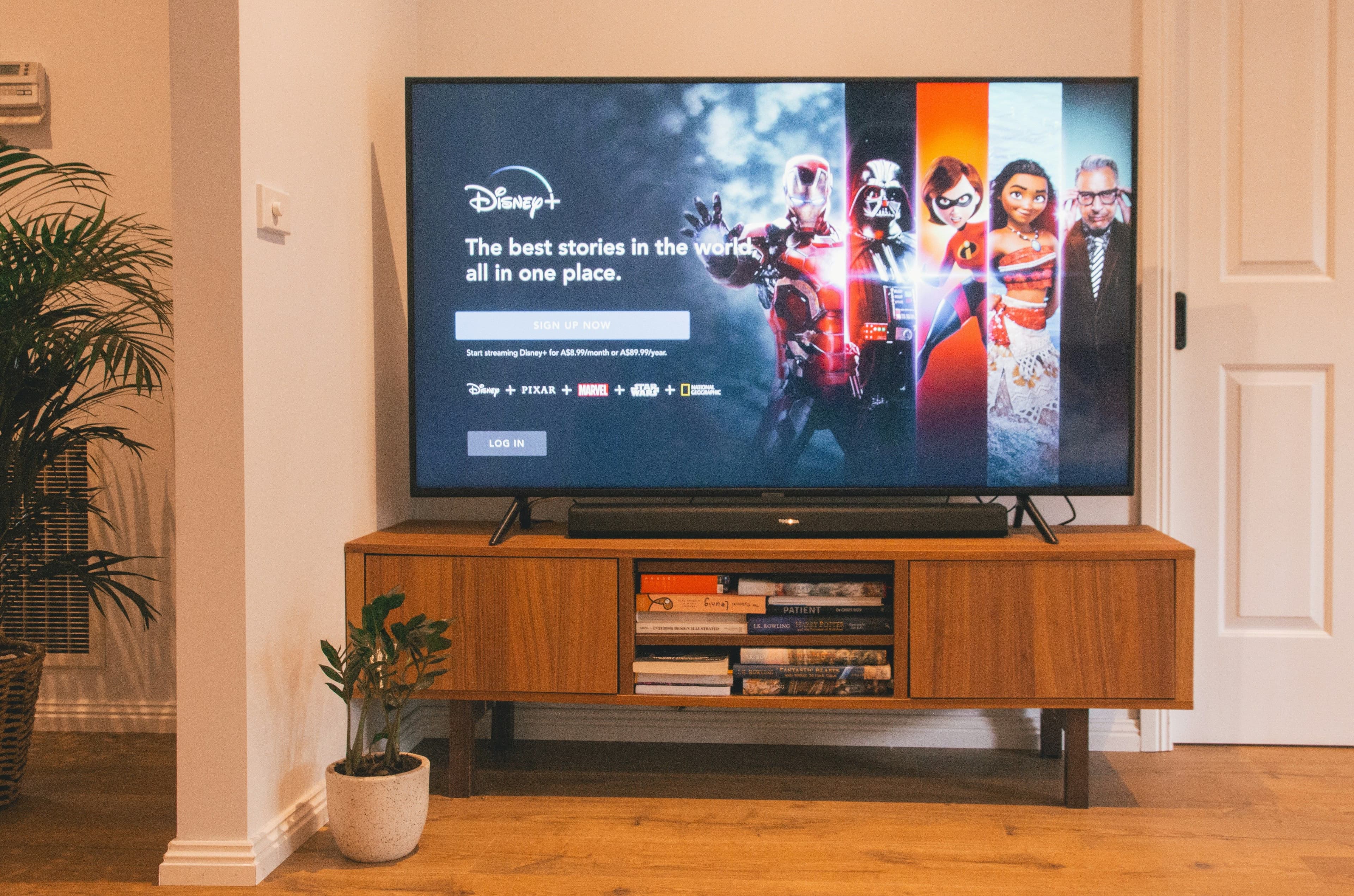
This article explains how subscription tracking apps are evolving and why the growing subscription economy is increasing demand for simple ways to manage recurring expenses.