Loading...


Insights
Practical tips, user stories, and financial strategies that help you track expenses, organize your finances, and make better spending decisions.
Loading...
We use cookies to analyze website traffic and improve your experience. You can accept or decline analytics cookies. Learn more
Insights
Practical tips, user stories, and financial strategies that help you track expenses, organize your finances, and make better spending decisions.

Many financial habits seem harmless because the amounts involved are small. A coffee on the way to work, a snack during a break, or a quick takeaway lunch often feels insignificant. However, when these small purchases occur every day, their true financial impact can become much larger than we expect.
One classic example often used in personal finance discussions is the daily coffee habit.
Imagine someone who buys a €5 coffee every workday. For many people, this feels like a small and reasonable expense. It may even be part of their daily routine or a small reward before starting work.
But let’s look at the numbers.
If you buy a €5 coffee every weekday:
Over one month (approximately four weeks):
However, many people buy coffee more frequently—sometimes every day, including weekends or multiple times during the week. If the coffee habit happens almost daily, the numbers change quickly:
If we also include occasional pastries or snacks, the monthly cost can easily reach around €180 per month.
The reason habits like this often go unnoticed is psychological. Small purchases rarely trigger the same financial awareness as larger expenses like rent or insurance.
Several factors contribute to this:
1. Low individual cost
€5 feels small enough that we rarely think twice about it.
2. Habit and routine
Daily rituals become automatic and are rarely questioned.
3. Lack of visibility
Without tracking expenses, we tend to remember larger purchases but forget smaller daily spending.
This phenomenon is sometimes referred to as “invisible spending”—expenses that accumulate slowly without attracting attention.
Looking at the yearly impact makes the effect even clearer.
If someone spends €180 per month on coffee and small café purchases, the yearly cost becomes:
For many households, this amount could cover:
This does not mean people should never buy coffee. Instead, it highlights how small recurring habits can shape long-term financial outcomes.
Personal finance experts rarely recommend eliminating every small pleasure. Financial well-being is not about removing all enjoyment from everyday life.
Instead, the goal is awareness.
Once people understand how much certain habits cost over time, they can decide what makes sense for their lifestyle.
Possible approaches include:
Even small adjustments can create noticeable savings.
The coffee example demonstrates why tracking everyday spending is important.
Many people carefully track large bills like rent or loans but ignore small daily purchases. However, those small purchases often accumulate into meaningful amounts.
Tracking tools—whether an app, spreadsheet, or simple notebook—can help reveal these patterns.
When people start tracking their expenses, they often discover that the biggest surprises are not the large bills they expected, but the small daily habits they never noticed.
A €5 coffee is not a financial problem by itself. But when it becomes a daily habit, the cost can quietly grow to €180 per month or more.
Understanding these patterns is not about guilt—it is about awareness and choice.
Because sometimes the biggest insights in personal finance come from the smallest expenses.
Sources:
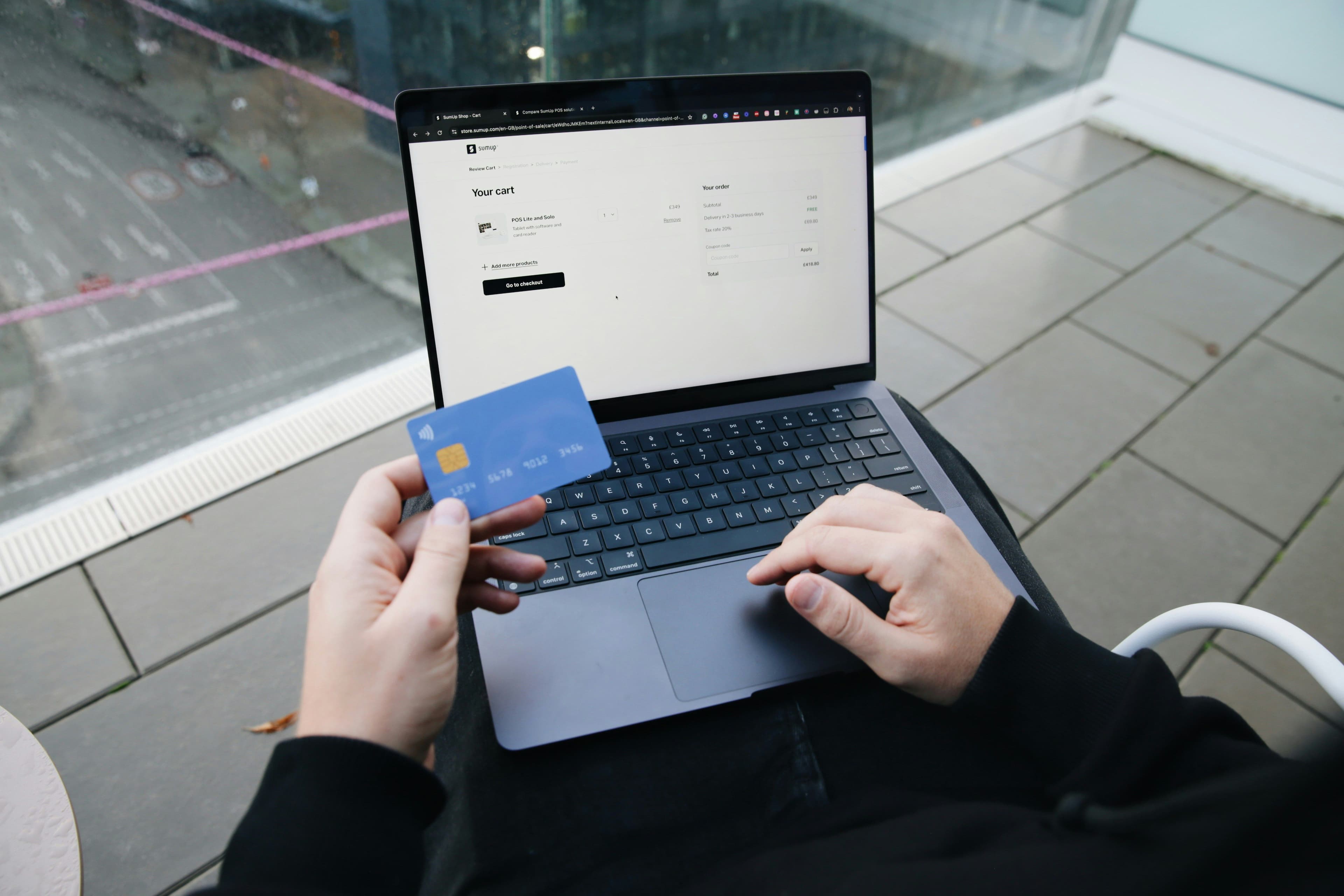
This article explains why even people with good incomes lose control of their money today. It shows how stress, too many things to manage, and modern apps and systems make it easy to get confused and overspend.

This article breaks down how the dopamine reward loop shapes everyday decisions and why today’s fast, digital world makes us more vulnerable to impulse spending and borrowing.
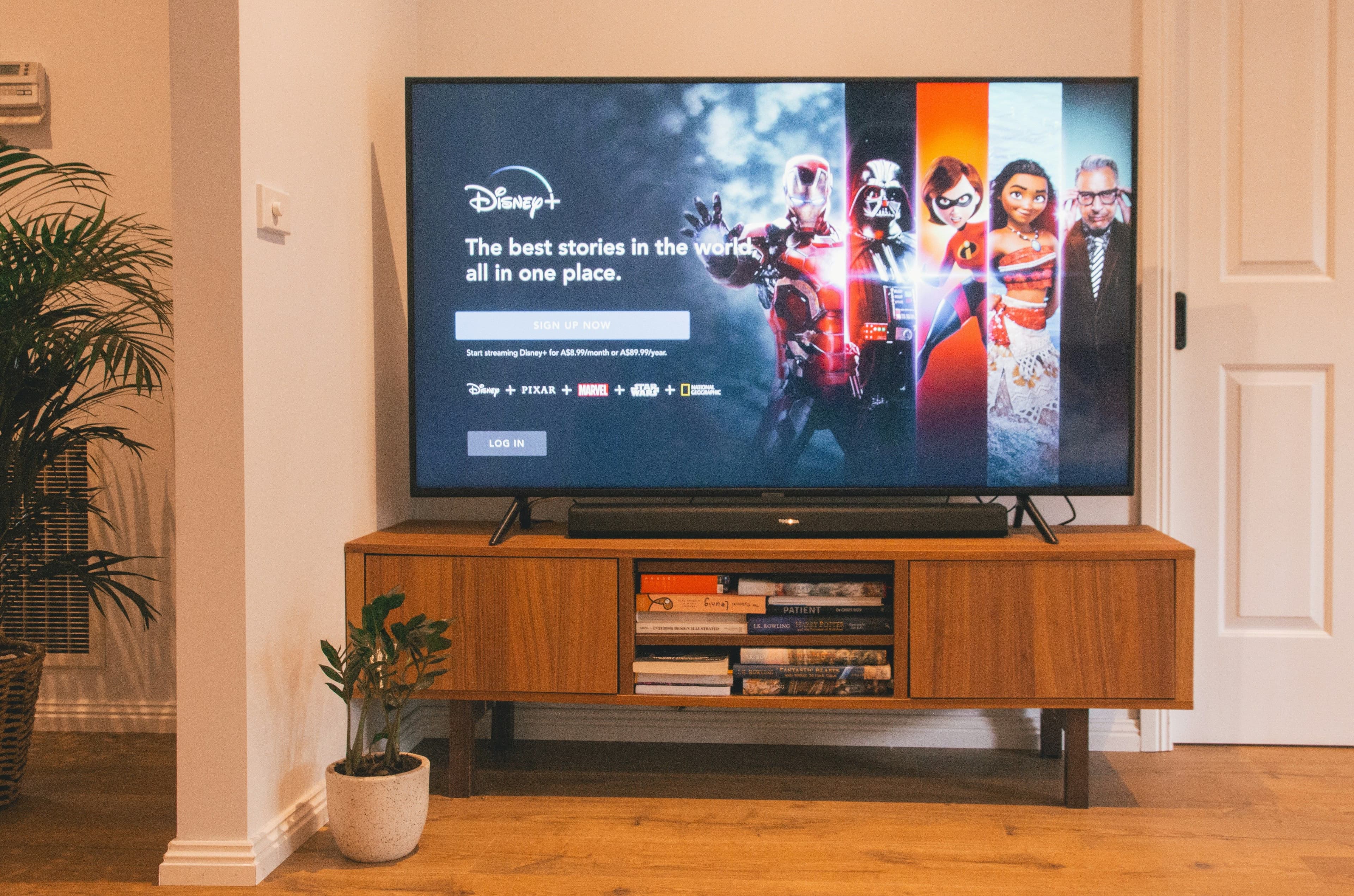
This article explains how subscription tracking apps are evolving and why the growing subscription economy is increasing demand for simple ways to manage recurring expenses.