Loading...


Insights
Practical tips, user stories, and financial strategies that help you track expenses, organize your finances, and make better spending decisions.
Loading...
We use cookies to analyze website traffic and improve your experience. You can accept or decline analytics cookies. Learn more
Insights
Practical tips, user stories, and financial strategies that help you track expenses, organize your finances, and make better spending decisions.
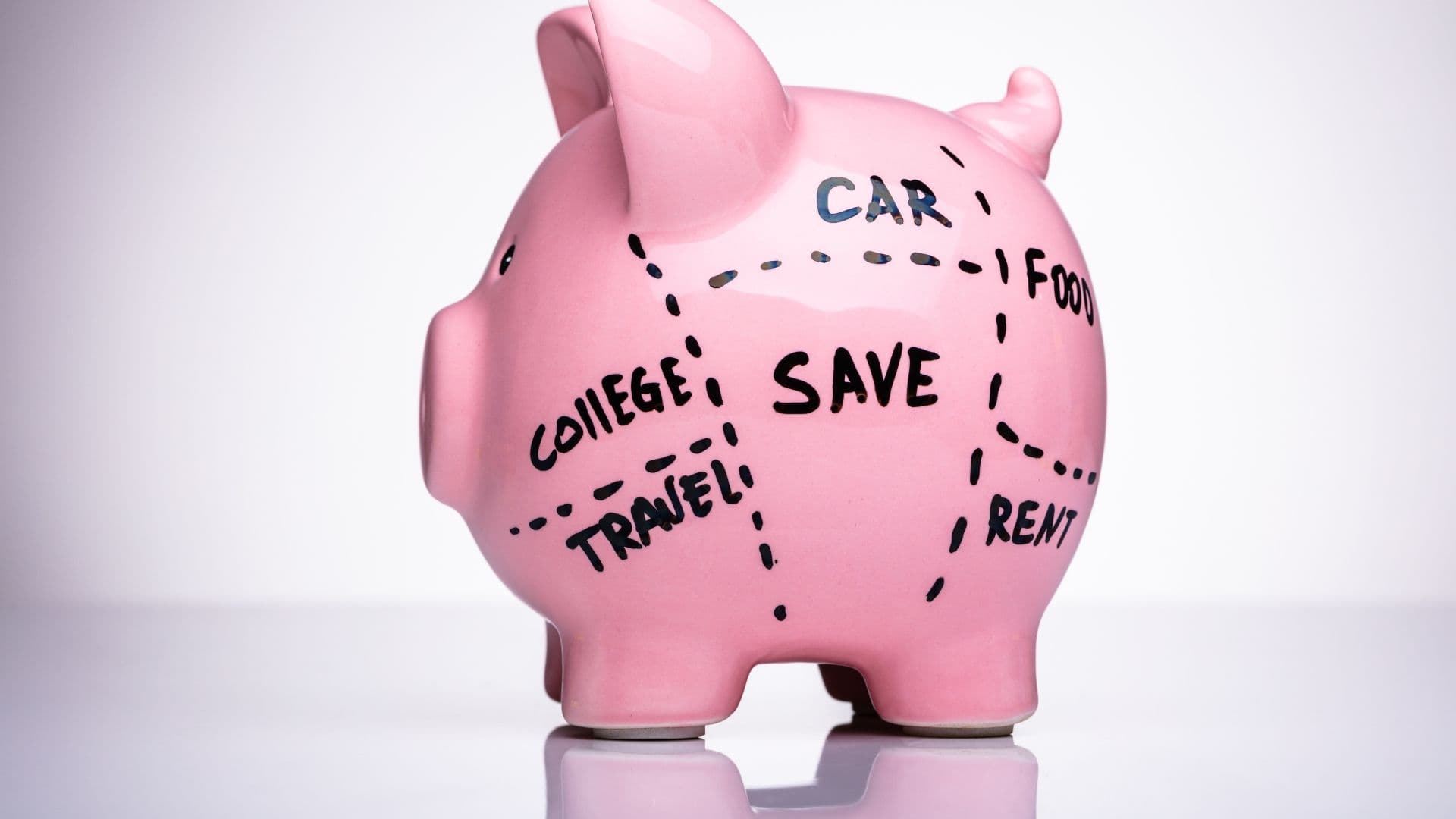
One of the biggest mistakes people make when creating a budget is using too many categories or categories that are too complicated. When a budget becomes difficult to manage, people often stop using it altogether.
A good budgeting system should be simple, clear, and practical. The goal is not to track every tiny purchase, but to group expenses into categories that help you understand where your money goes.
Below are some of the most useful budgeting categories and what typically belongs in each of them.
Housing is usually the largest expense category for most households. This includes all costs related to where you live.
Typical expenses in this category include:
Because housing costs are usually fixed, they are often the foundation of a monthly budget.
This category includes all spending related to food.
Examples include:
Some people prefer to separate groceries and dining out, while others keep them together.
Transportation covers all costs related to getting around.
Typical expenses include:
This category can vary significantly depending on whether someone owns a car or relies on public transport.
Modern households often have multiple recurring digital services and memberships.
Common examples include:
Tracking this category carefully can help people identify services they no longer use.
Insurance protects against financial risk, so it deserves its own category.
Examples include:
Even if these payments are quarterly or yearly, they should still be included in a budget.
This category includes discretionary spending—things that are not strictly necessary but improve quality of life.
Typical expenses include:
This category is often the easiest to adjust when trying to save money.
A good budget should also include a category for future financial goals.
Examples include:
Treating savings as a category helps make it a regular financial habit rather than something done occasionally.
The best budgeting categories are not complicated. A few clear groups—such as housing, food, transportation, subscriptions, lifestyle spending, and savings—are usually enough to understand your finances.
The key is choosing categories that make sense for your lifestyle and spending habits, so your budget becomes a helpful tool rather than a complicated system.

This article explains why even people with good incomes lose control of their money today. It shows how stress, too many things to manage, and modern apps and systems make it easy to get confused and overspend.

This article breaks down how the dopamine reward loop shapes everyday decisions and why today’s fast, digital world makes us more vulnerable to impulse spending and borrowing.
This article explains how subscription tracking apps are evolving and why the growing subscription economy is increasing demand for simple ways to manage recurring expenses.