Loading...


Insights
Practical tips, user stories, and financial strategies that help you track expenses, organize your finances, and make better spending decisions.
Loading...
We use cookies to analyze website traffic and improve your experience. You can accept or decline analytics cookies. Learn more
Insights
Practical tips, user stories, and financial strategies that help you track expenses, organize your finances, and make better spending decisions.
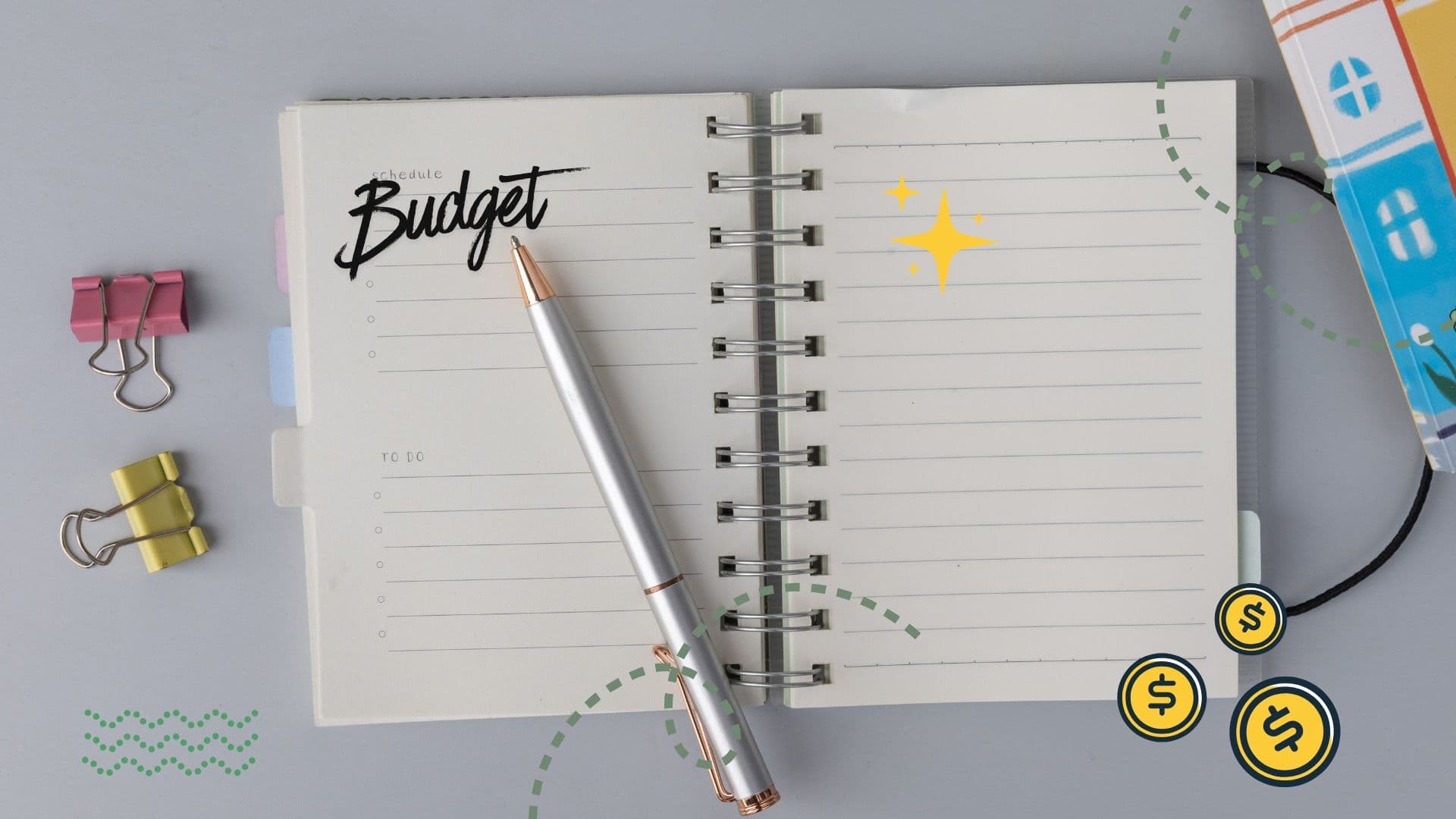
Budgeting has always been an essential part of managing personal finances. However, the way people track and manage money has changed significantly over the years. Today we see two main approaches: traditional budgeting methods, such as paper notes and cash envelopes, and modern digital budgeting, which relies on apps, online banking, and automated tools.
Even though digital tools are widely available, many people still prefer older, more manual methods. Understanding why helps explain how people interact with money in different parts of the world.
Traditional budgeting usually involves writing expenses on paper, using notebooks, or physically dividing cash into envelopes for different spending categories.
One well-known approach is the envelope method, where people withdraw cash and place it into envelopes labeled with categories such as:
Once the money in the envelope is gone, spending in that category stops.
Many people find these methods easier to understand because they provide a physical sense of money leaving their hands.
Psychologists often refer to this as the “pain of paying.” When we physically hand over cash, we feel the cost more strongly than when we swipe a card or tap a phone.
Traditional methods can therefore help people:
For some households, this simplicity makes paper budgeting more effective than digital tools.
Modern budgeting relies on banking apps, budgeting software, spreadsheets, and financial management platforms.
Many digital tools now offer features such as:
Digital budgeting is particularly convenient because transactions are often recorded automatically, reducing the need for manual tracking.
It also allows users to see their finances in real time and access their data from anywhere.
Despite the convenience of digital finance, many people still prefer cash or manual budgeting systems.
There are several reasons for this.
Cash payments make spending more visible. Research shows that people tend to spend less when using cash compared to digital payments.
Paper and cash systems are simple and do not require apps, passwords, or financial integrations.
Some people feel more comfortable managing their money offline rather than connecting bank accounts to digital services.
In many cultures, cash has historically been the main form of payment. Changing these habits can take time.
Yes, the level of digital payment adoption varies significantly across countries.
Some countries have embraced cashless or highly digital financial systems, while others still rely heavily on cash.
Countries known for advanced digital payments include:
In these countries, cash usage has decreased dramatically.
In contrast, cash is still widely used in many regions, including:
In these places, cultural habits, privacy concerns, or financial infrastructure still support strong cash usage.
As financial technology continues to develop, digital budgeting tools will likely become even more advanced and easier to use.
However, traditional methods are unlikely to disappear completely. Many people will continue to prefer simple and tangible approaches to money management.
In reality, the most effective budgeting system is not determined by technology but by what works best for each individual.
Some people benefit from automated digital tools, while others maintain better discipline with paper lists or cash envelopes.
Budgeting methods may evolve with technology, but the goal remains the same: understanding and controlling how money is spent.
Whether someone uses an app, a spreadsheet, or envelopes of cash, the most important factor is awareness and consistency.
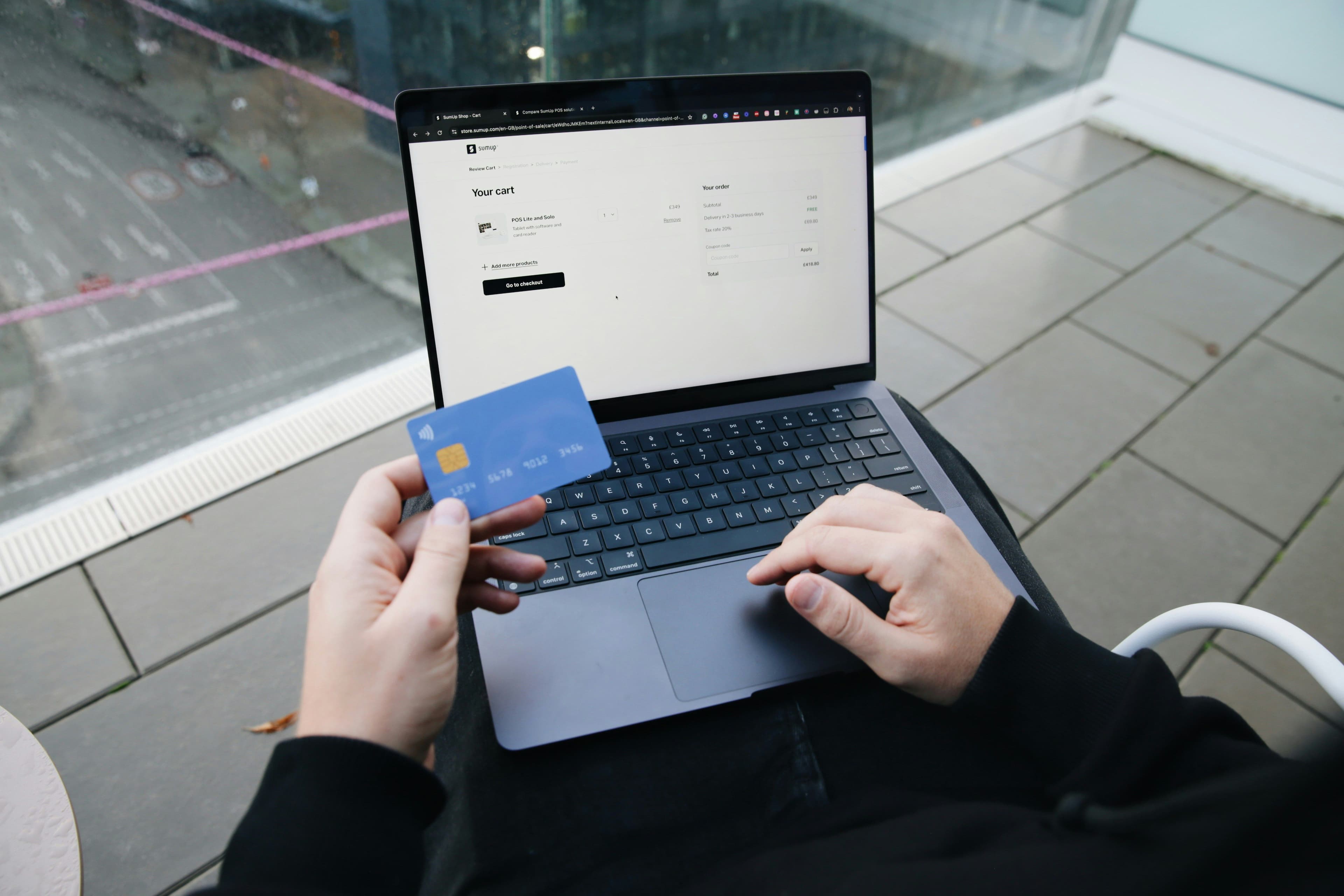
This article explains why even people with good incomes lose control of their money today. It shows how stress, too many things to manage, and modern apps and systems make it easy to get confused and overspend.

This article breaks down how the dopamine reward loop shapes everyday decisions and why today’s fast, digital world makes us more vulnerable to impulse spending and borrowing.
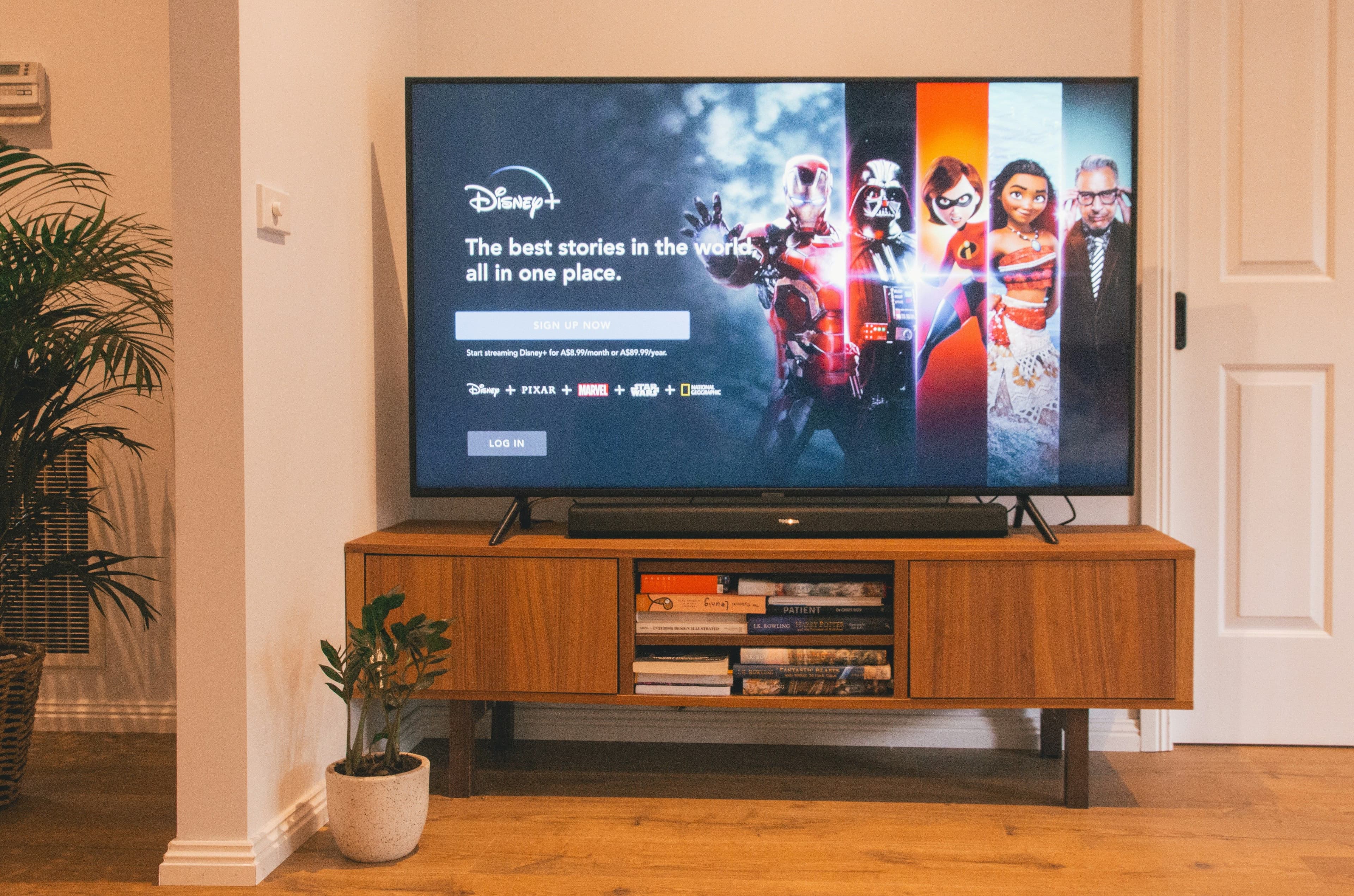
This article explains how subscription tracking apps are evolving and why the growing subscription economy is increasing demand for simple ways to manage recurring expenses.